
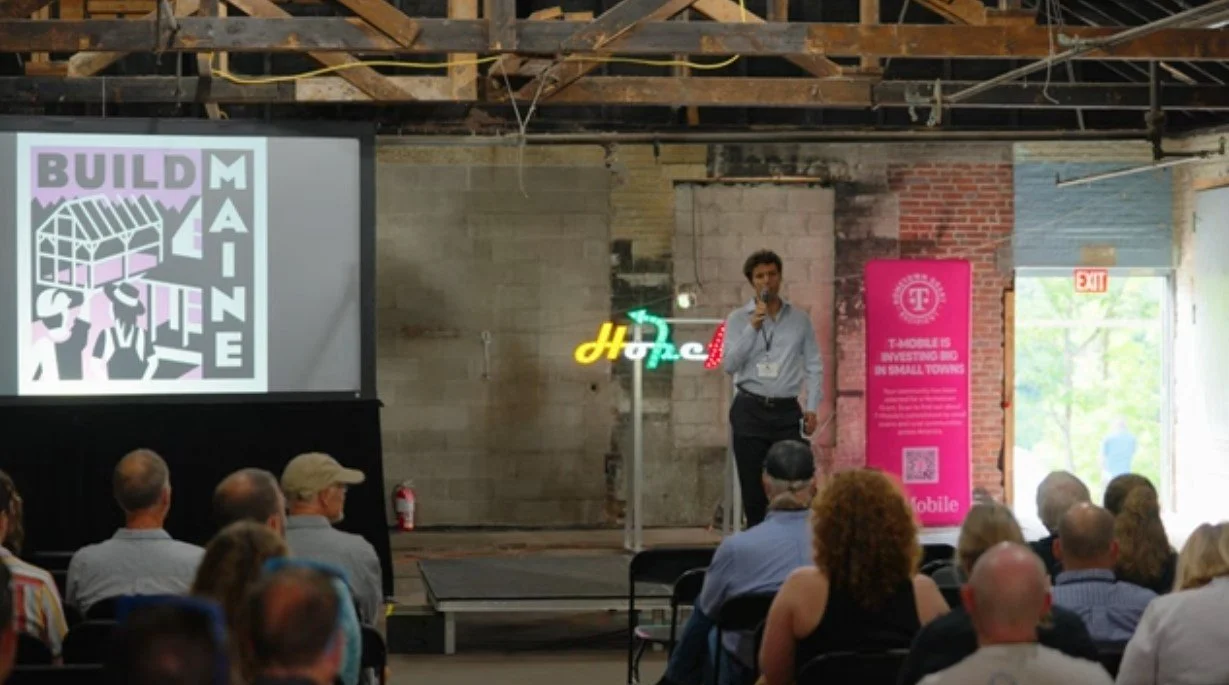
Jake Bittle
Over the next fifty years, millions of Americans will be caught up in this churn of displacement, forced inland and northward in what will be the largest migration in our country’s history. In other words, they’ll be coming to Maine. Jake Bittle is a staff writer at Grist, where he covers climate change. His work has been published in The New York Times, The Guardian, Harper’s New York Magazine, The New Republic, and numerous other publications. He is the author of The Great Displacement: Climate Change and the Next American Migration. Join us to learn more about the extent to which climate migration will impact Maine, and why planning will become an increasingly necessary activity to protect what we love most about our state.
Staff Writer | Grist | Brooklyn, New York
Over the next fifty years, millions of Americans will be caught up in this churn of displacement, forced inland and northward in what will be the largest migration in our country’s history. In other words, they’ll be coming to Maine. Jake Bittle is a staff writer at Grist, where he covers climate change. His work has been published in The New York Times, The Guardian, Harper’s New York Magazine, The New Republic, and numerous other publications. He is the author of The Great Displacement: Climate Change and the Next American Migration. Join us to learn more about the extent to which climate migration will impact Maine, and why planning will become an increasingly necessary activity to protect what we love most about our state.
Kaid Benfield
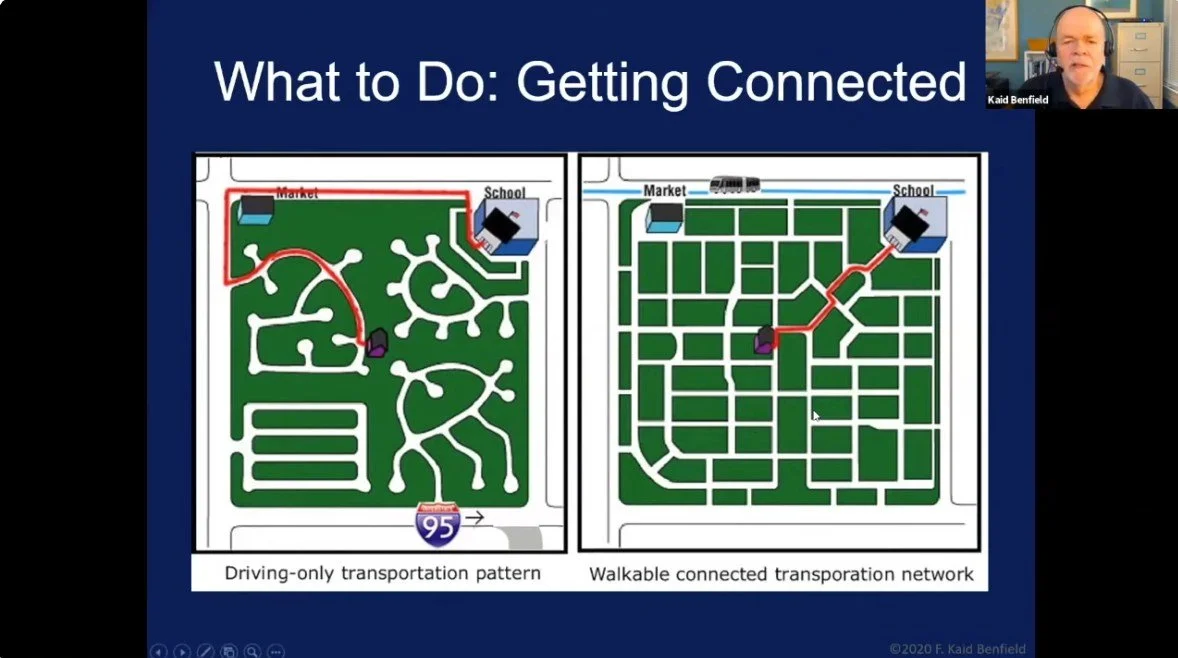
As our country continues to see changes in our environment from the effects of climate change, Maine is working to not only reduce carbon emissions, but also address the national blind spot in the conversation - specifically the environmental implications of land use patterns. The Coronavirus pandemic has also brought into focus an urgent need to create and sustain communities that support healing and healthy lifestyles. The good news is there are land development strategies that support both human and environmental health. Kaid Benfield will articulate some of these key strategies – and the research behind them – that can help us move toward a more sustainable future.
PlaceMakers | Washington, DC
As our country continues to see changes in our environment from the effects of climate change, Maine is working to not only reduce carbon emissions, but also address the national blind spot in the conversation - specifically the environmental implications of land use patterns. The Coronavirus pandemic has also brought into focus an urgent need to create and sustain communities that support healing and healthy lifestyles. The good news is there are land development strategies that support both human and environmental health. Kaid Benfield will articulate some of these key strategies – and the research behind them – that can help us move toward a more sustainable future.