
Life With Less Driving
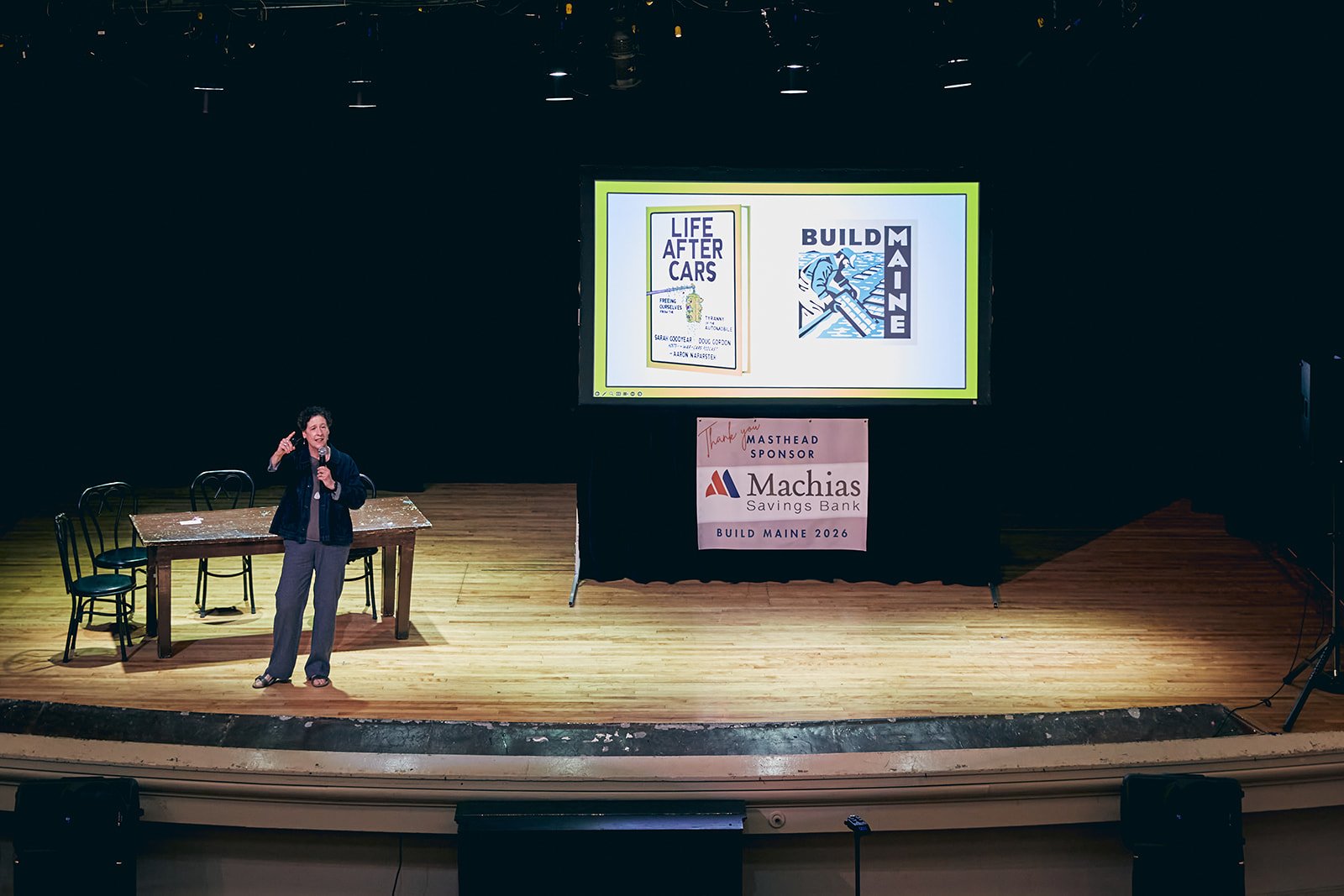
Maine is one of the most car dependent states in the country. The costs of a car dependant society are piling up with massive, unforeseen consequences for our health, environment, budgets and society. Are conversations about alternative forms of transportation relevant to Maine, the most rural state in the country? Given our aging population, rising fuel and energy prices, and our ecotourism-based economy, should Maine consider other ways to structure our transportation system? Sarah Goodyear, podcast co-host for ‘The War on Cars’ and co-author of Life After Cars, will start the conversation.
Sarah Goodyear | Journalist, Author, and Podcast Host | New York, New York
Maine is one of the most car dependent states in the country. The costs of a car dependent society are piling up with massive, unforeseen consequences for our health, environment, budgets and society. Are conversations about alternative forms of transportation relevant to Maine, the most rural state in the country? Given our aging population, rising fuel and energy prices, and our ecotourism-based economy, should Maine consider other ways to structure our transportation system? Sarah Goodyear, podcast co-host for ‘The War on Cars’ and co-author of Life After Cars, will start the conversation.
Jeff Speck
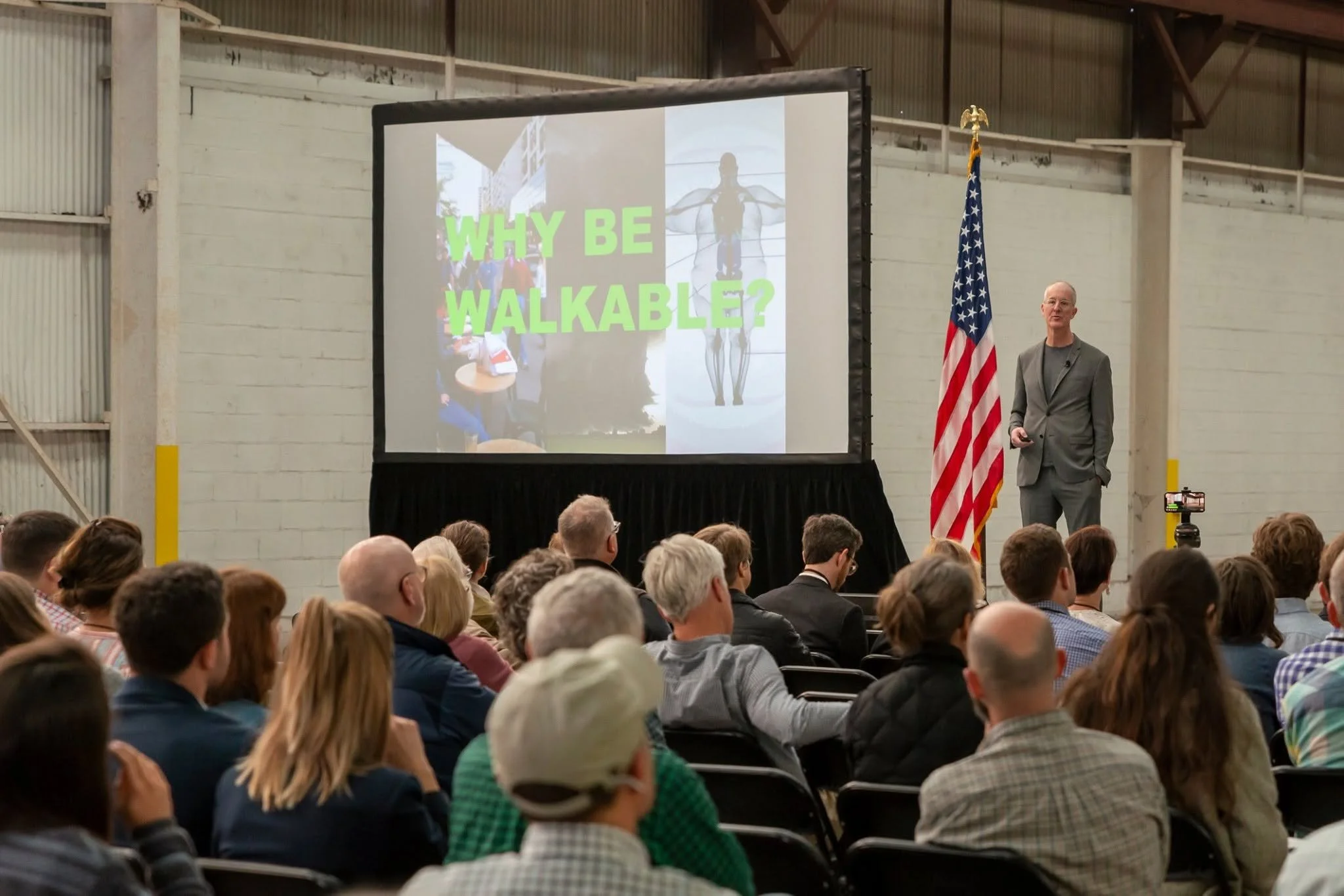
Learn simple solutions to reclaim streets and make our downtowns and neighborhoods safe again for a broad range of human and economic activity. Jeff Speck, author of Suburban Nation and Walkable Cities, will share lessons from his latest book, Walkable City Rules: 101 Steps to Making Better Places, a tool-kit for urban activists. He will describe the primacy of walkability in building more vital, resilient, and appealing cities.
City Planner and Bestselling Author | Speck & Associates | Brookline, Massachusetts
Learn simple solutions to reclaim streets and make our downtowns and neighborhoods safe again for a broad range of human and economic activity. Jeff Speck, author of Suburban Nation and Walkable Cities, will share lessons from his latest book, Walkable City Rules: 101 Steps to Making Better Places, a tool-kit for urban activists. He will describe the primacy of walkability in building more vital, resilient, and appealing cities.
“Even the best urbanism won’t generate walkability if people think they’re going to die every time they walk out on the street. Still, most American cities that developed pre-war have a downtown. And today many have virtually everything they need in terms of walkability—except they’re utterly unsafe.”
Nicole Losch, PTP
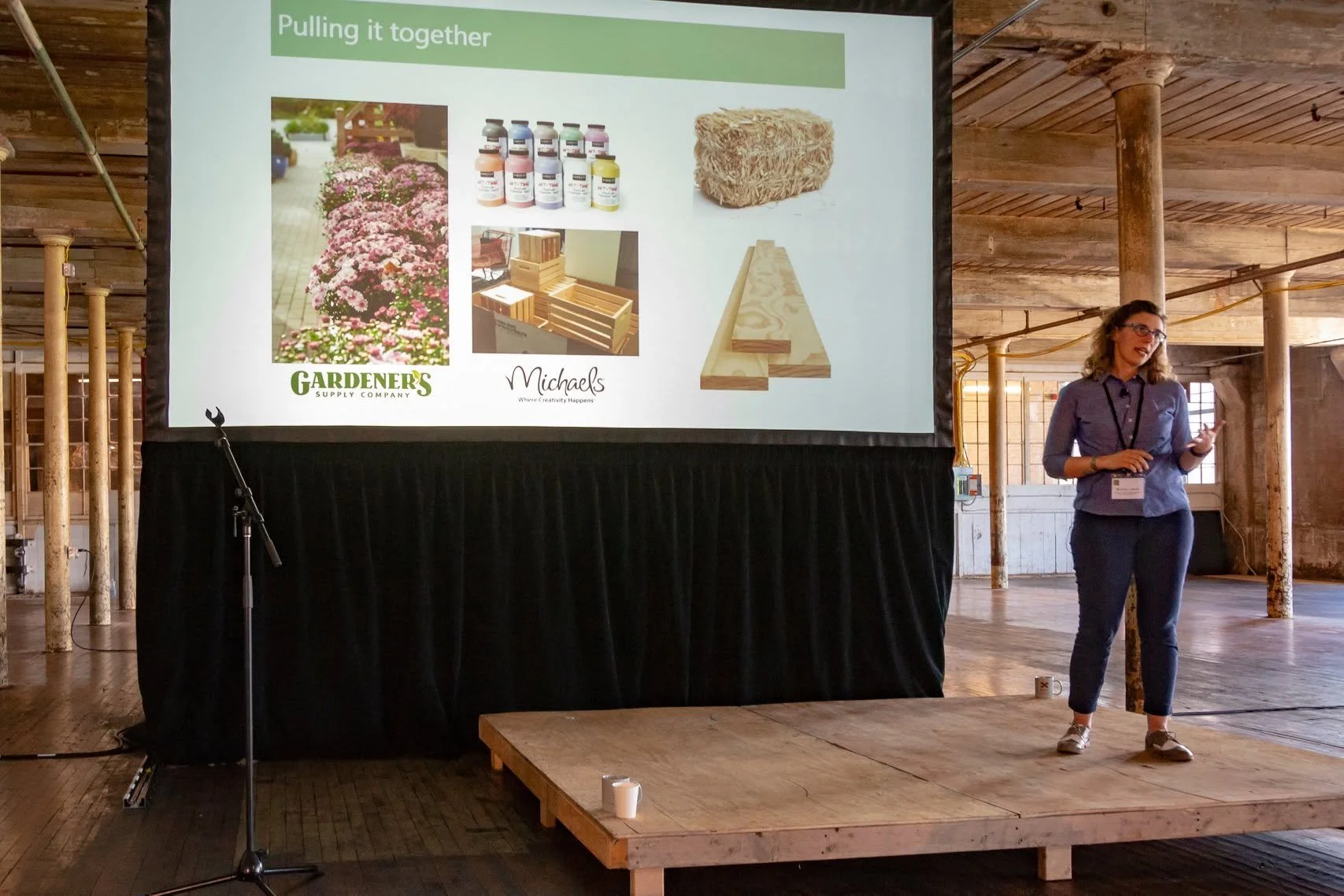
What if there was a faster, less expensive, and better way to make our streets safer for all people? Nicole will share how Vermont’s biggest town has quickly embedded municipal pilot projects and a program for community-led demonstration projects into its public works operations, and how to bridge the gap between conceptual planning and full reconstruction.
Senior Transportation Planner | City of Burlington
What if there was a faster, less expensive, and better way to make our streets safer for all people? Nicole will share how Vermont’s biggest town has quickly embedded municipal pilot projects and a program for community-led demonstration projects into its public works operations, and how to bridge the gap between conceptual planning and full reconstruction.
Patrick Kennedy
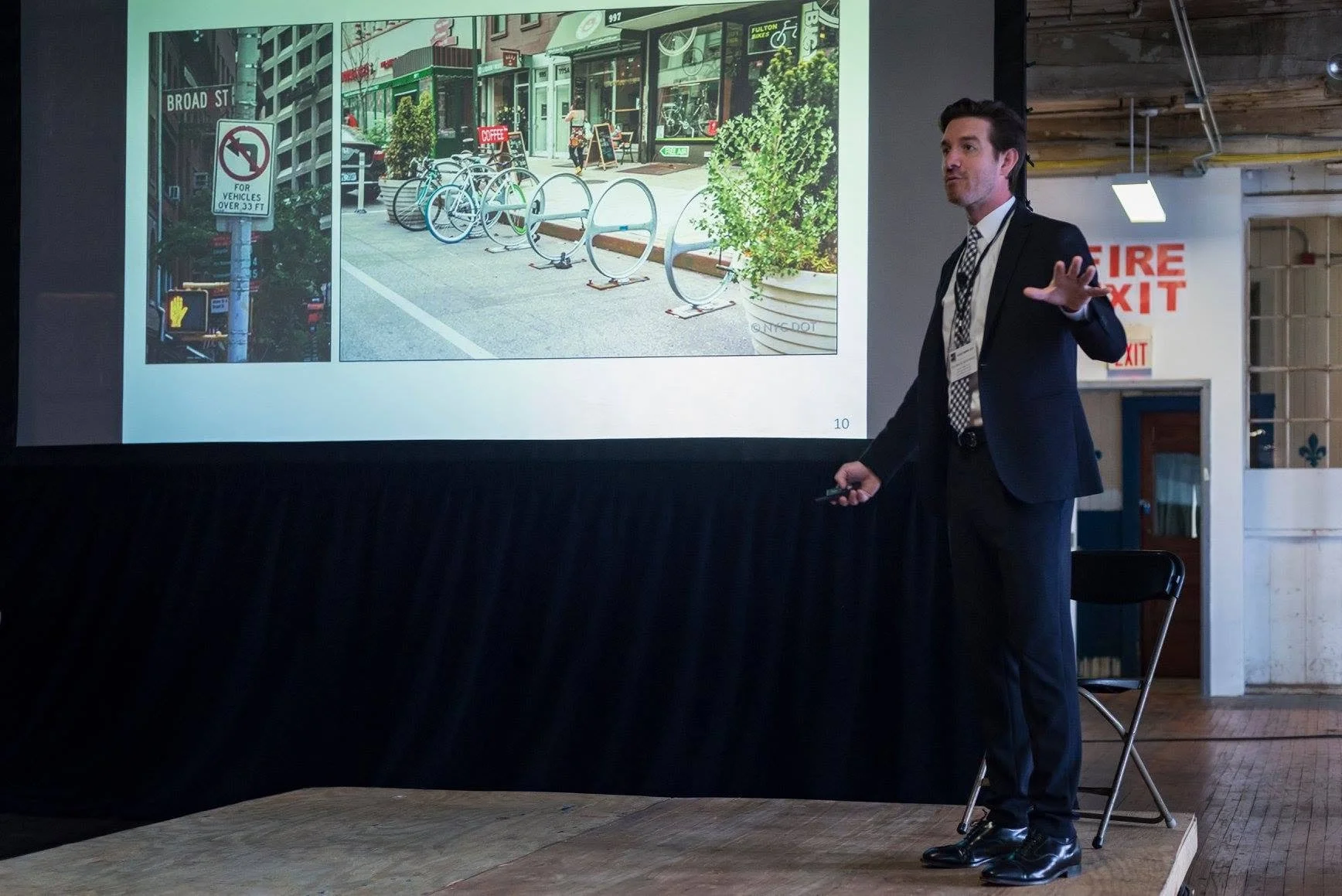
Patrick will share recent examples of the New York City Department of Transportation’s efforts to shift the use of public space away from vehicles and toward pedestrians, cyclists, and civic space.
Urban Planner | New York City Department of Transportation
Patrick will share recent examples of the New York City Department of Transportation’s efforts to shift the use of public space away from vehicles and toward pedestrians, cyclists, and civic space.
Stephen Edwards
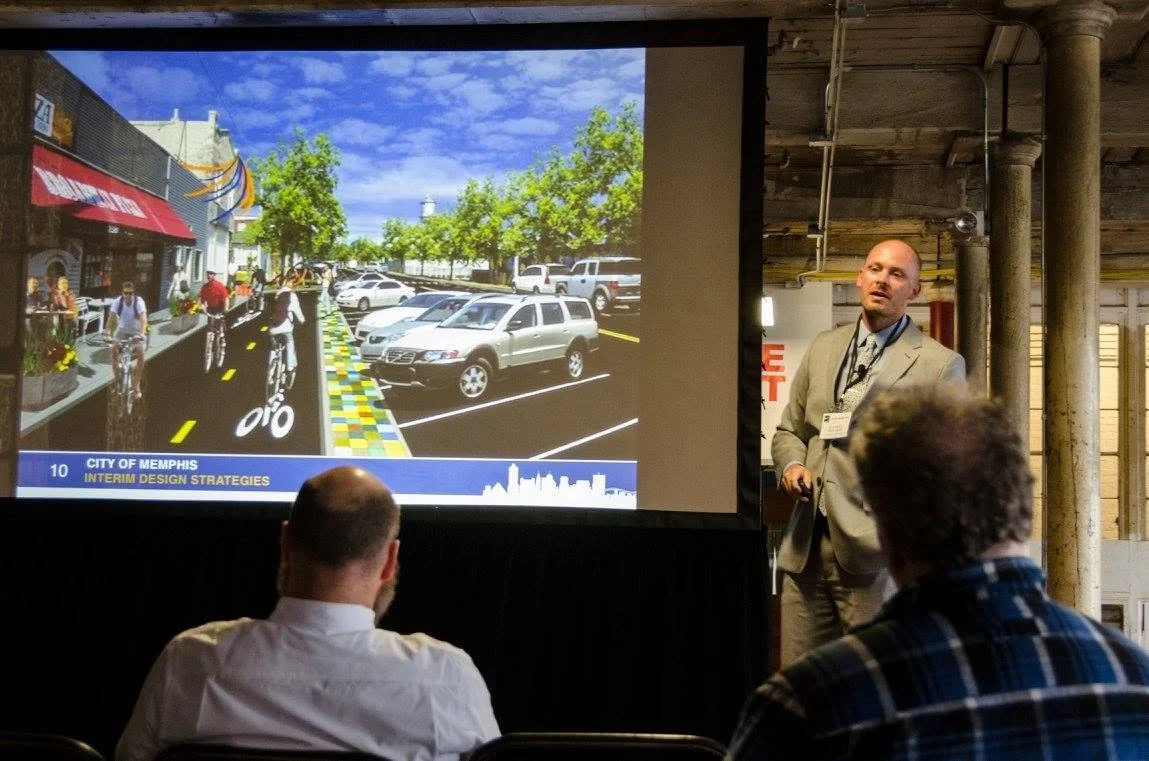
Find out how temporary, inexpensive materials have been effectively deployed to more quickly improve streets in Memphis, saving money and building economic value.
Design Engineer | City of Memphis Division of Traffic Engineering
Find out how temporary, inexpensive materials have been effectively deployed to more quickly improve streets in Memphis, saving money and building economic value.