
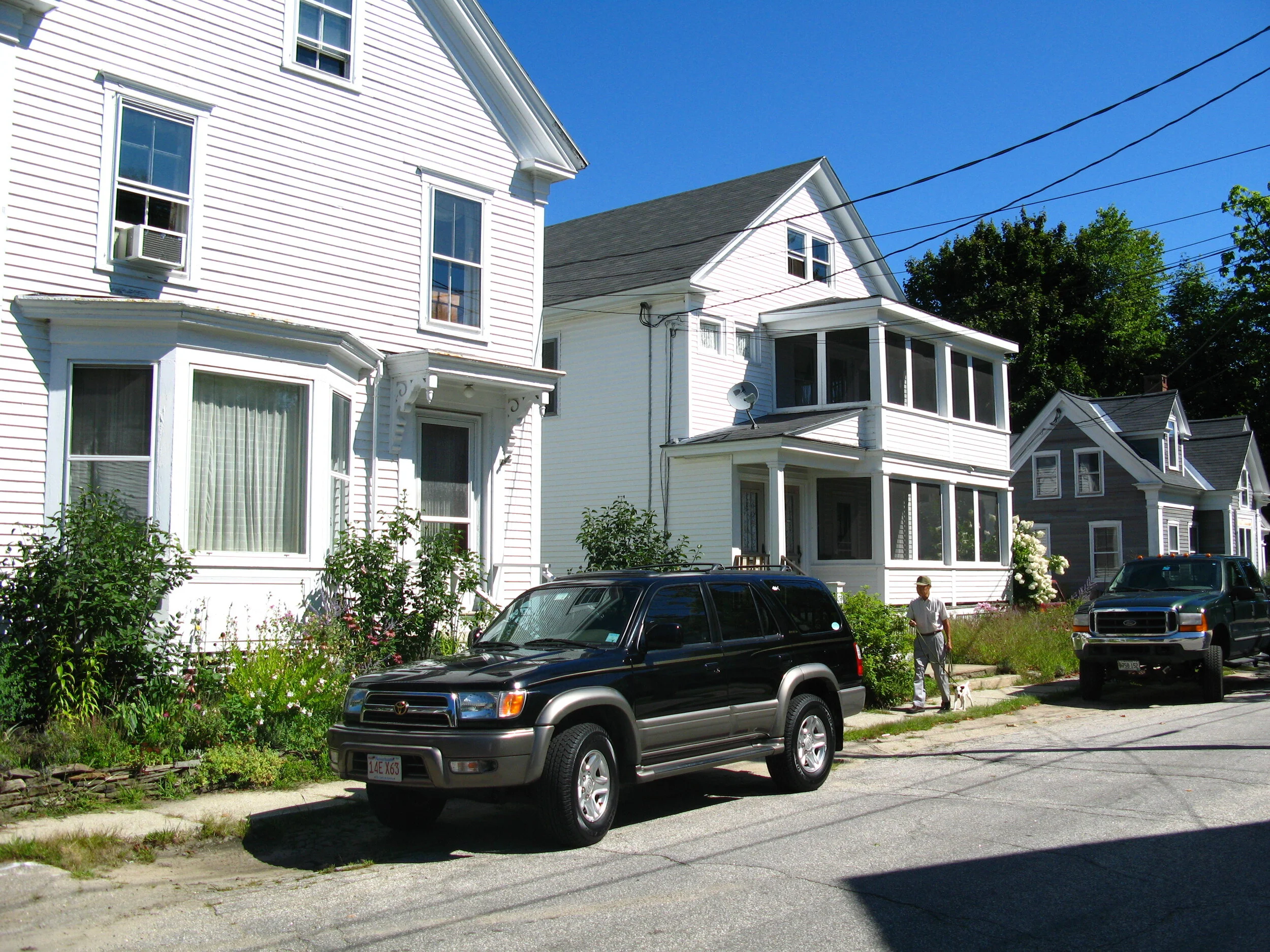
Housing Playbook for Maine Towns Released
A new article in Maine Town & City highlights the many housing challenges Maine communities are facing amidst the global pandemic COVID-19. As out-of-state residents ditch their cramped city apartments for the ease of life in Maine, they are pricing out existing Mainers while exposing long-time problems with our housing. The article lays out a new housing playbook that is relevant to communities all over the state. The playbook offers in-depth explanations of the barriers that stand in the way of building housing and what can be done to remove them. As we phase into a post-pandemic world, we can usher in a new era of Maine housing that works for everyone.

Get Acquainted with the Maine Redevelopment Authority Legislation
Build Maine and partners from across the State have been working for the past year and a half to find solutions to these pressing community problems. This proposed legislation will create a Maine Redevelopment Authority, bringing Federal and State dollars into the hearts of our communities through the creation of a Land Bank and Development Ready Community Program.
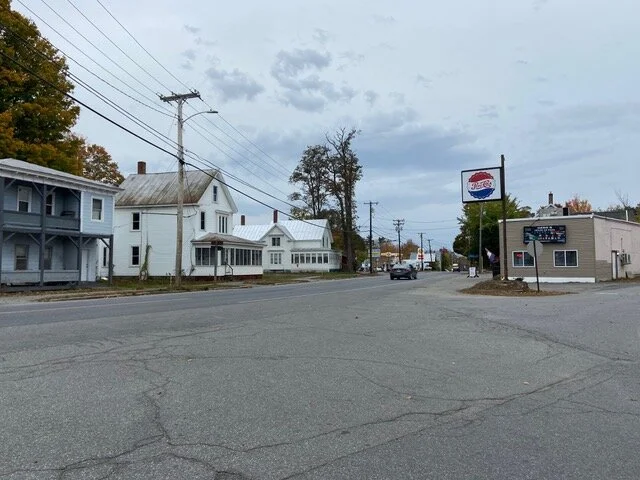
Are there buildings in your community that are in a state of decline?
Is new development happening at the edges of your town on land that was once working farms or forests?
Do you have challenging properties that have environmental contamination?
Build Maine and partners from across the State have been working for the past year and a half to find solutions to these pressing community problems. On March 17th at 9:00am, we gave an overview of proposed legislation that will create a Maine Redevelopment Authority, bringing Federal and State dollars into the hearts of our communities through the creation of a Land Bank and Development Ready Community Program. This generational legislation will address the systematic disinvestment that plagues many of our communities and will incentivize development in the places that meet shared municipal and state goals to maximize investment.
During the event, we collected questions and comments from the chat and have compiled those questions anonymously in the document linked here.
LR 1528 is sponsored by Representative Melanie Sachs of Freeport. Members of the working committee include staff from Caribou, Rumford, Sanford, Northern Maine Development Commission, Androscoggin Valley Council of Governments, Kennebec Valley Council of Governments, and Build Maine.
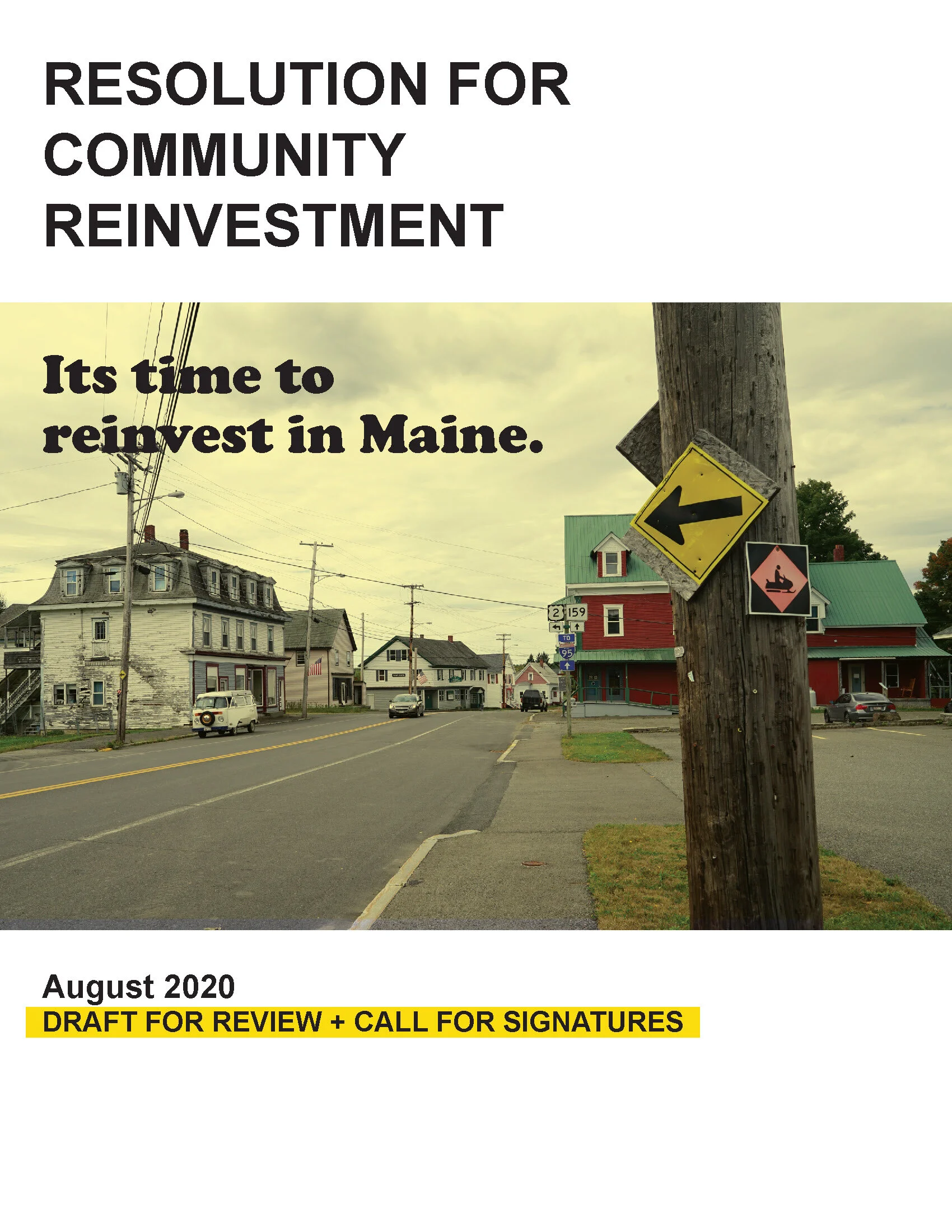
Resolution for Community Reinvestment
It’s time to reinvest in Maine.
Maine has a chance to work ground up through the complex fabric of our communities, regional governments, non-profits, and state to find a path toward a more a local, scrappy, frugal, tough, independent, and caring future. Build Maine is asking towns, cities, regional councils of governments, non-profits, professional groups, and individuals to sign the Resolution for Community Reinvestment as well as review and provide comments on draft policy recommendations as we continue to move forward. We have an incredible need right now to find broader communities of people, to overlook minor differences and build bigger coalitions, to work together with neighbors to find a path forward that we generally agree is good for our communities and our state.

Development Ready Communities + Land Banks Provide Path to Investment

The first step in the process was to develop a shared understanding of our state’s collection of procedures, rules, and cultural forces that produce our existing patterns of land development. A draft “system map”, the culmination of the past 6 months of work involving over 70 individuals, is available for review and comment.
This system mapping work lead to the current effort to identify policy recommendations and other solutions that will produce better fiscal, economic, environmental, and quality of life outcomes for our state. This work has been taking place since February and has resulted in several initiatives, including:
If you are interested, please email connect@build-maine.com for more information and to get involved!
What if there was a way for Maine to directly reinvest in the hearts of our communities? To help repair our crumbling downtown infrastructure? To breath new life into our historic neighborhoods and village crossroads? To support working agriculture and working forests? To support Mainers where they are?
Beginning in August 2019, Build Maine initiated a “call to action” focused on addressing patterns of development that our State cannot financially sustain and that are at odds with our quality of life, sense of identity, the tourism economy, efforts to attract a workforce, housing and transportation needs, and our environmental goals. The work involved a diverse and expanding group of leaders from across the state and from varied disciplines who understand the current system, and who are in a position to help change it.
Draft legislation for a Maine Redevelopment Land Bank, which will help communities get properties back into productive reuse.
Development Ready Communities Framework, which will inform how the State and Municipalities work together and align state funding with local projects that provide a positive return on investment.
The recommendations that come out of this current process will support important work happening at the State level, increase understanding of bigger picture issues, and identify opportunities to align efforts between sectors, municipalities, the non-profit sector, regional, and state government.

Build Maine pursues System Change to Support a Stronger Maine
Beginning in August 2019, Build Maine initiated a “call to action” focused on addressing patterns of development that our State cannot financially sustain and that are at odds with our quality of life, sense of identity, the tourism economy, efforts to attract a workforce, and our environmental goals. A draft “system map”, the culmination of the past 6 months of work involving over 70 individuals, is now available for review and comment.

Beginning in August 2019, Build Maine initiated a “call to action” focused on addressing patterns of development that our State cannot financially sustain and that are at odds with our quality of life, sense of identity, the tourism economy, efforts to attract a workforce, and our environmental goals.
The work has involved a diverse and expanding group of leaders from across the state and from varied disciplines who understand the current system, and who are in a position to help change it.
The first step in the process was to develop a shared understanding of our state’s collection of procedures, rules, and cultural forces that produce our existing patterns of land development. A draft “system map”, the culmination of the past 6 months of work involving over 70 individuals, is now available for review and comment.
This system mapping work has lead to the current effort to identify policy recommendations and other solutions that will produce better fiscal, economic, environmental, and quality of life outcomes for our state. This work will take place over February and March of 2020, and culminate in a forum on April 2, 2020.
The recommendations that come out of this current process will support important work happening at the State level, such as the Climate Council, will help increase understanding of bigger picture issues, and will identify opportunities to align efforts between sectors, municipalities, the non-profit sector, and regional and state government.
Please let us know if you’d like to get involved by emailing connect@build-maine.com.

MicroTIFs and Landbanking Webinar with Jim Tischler on December 6, 2019
On December 6, Build Maine hosted Jim Tischler from the Michigan State Land Bank (among various other titles) to speak about MicroTIFs and Landbanking. Access the presentation slides here.
Thanks to all those who attended the MicroTIFs and Landbanking webinar with Jim Tischler and Build Maine on December 6th, 2019. Held at Coastal Enterprises, Inc. in Brunswick, 12 attendees joined in person and 28 online.
Unfortunately, we were unable to procure a recording of the presentation. However, please review the two slide decks and contact connect@build-maine.com with any follow up questions. Click on the photo to download the PDF. If you have trouble, please contact us!
Please stay tuned for our next webinar! Join our email list to receive more regular Build Maine updates.


Maine's Green New Deal Has a Sprawling Blind Spot
Maine has traditionally been a State that cares deeply about the environment. Our culture is rooted in a practical and often times financially conservative approach to solving problems. So why are we focusing so much on technological solutions to a problem that boils down to how to do more with less?

To reduce Maine’s carbon footprint, we need to not only think about how to reduce driving (vehicle miles traveled), but also the kinds of places we are building.
Maine’s Green New Deal proposal has been lauded—rightfully so—for its focus on how sustainable industries support jobs and the economy. There’s a lot to love about a boost for workers in the green construction and energy sectors, but when looking broadly at the largest factors influencing climate change, Maine’s Green New Deal is, unfortunately, not that green.
The plan sets an ambitious long-term goal for renewable energy providers, requiring them to achieve 80% reliance on renewable sources, and calls on a wide variety of stakeholders for its proposed task force and commission. Maine’s plan includes incentives to retrofit homes, outfit schools with solar power, and gives special consideration to easing workers through the transition to renewables, which has earned it the support of labor rights advocates. So what's missing? Despite the comprehensive list of stakeholders, the plan is thin on specifics and barely mentions the most insidious cause of our structural energy inefficiency: suburban sprawl and the vehicle emissions associated with it.
Maine has always been a rural state that values independence. We're fortunate to have had comparatively little sprawl and congestion separating our town centers and rural areas, but if you travel along route 295 between Portland and Brunswick, or route 302 as far as Sebago Lake, chances are you've experienced commuter congestion that is nearly as bad as a Boston suburb.
If we don’t take a close look at the geographic and financial implications of how we get from one place to another, we risk falling into what Alex Baca from the non-profit Greater Greater Washington calls “the liberal delusion on climate change: that technology and spending can spare us the hard work of reform”. Vehicle emissions are still the greatest contributor of carbon across America. Powering our schools with solar energy is certainly a step forward, but if students and teachers are still driving long distances and street design doesn’t make walking or biking a safe option, then those benefits will be outweighed by the carbon impact of the traffic. Maine has traditionally been a State that cares deeply about the environment. Our culture is rooted in a practical and often times financially conservative approach to solving problems. So why are we focusing so much on technological solutions to a problem that boils down to how to do more with less?
Location matters above all else when it comes to our environmental footprint. Alissa Walker, urbanism editor for Curbed, breaks it down this way: swapping gasoline for electric power in our cars won’t help on it’s own. We need to decrease “vehicle-miles traveled” by giving people the ability to swap car journeys for another mode of transport, whether it’s walking, biking, scooters, busses, or trains. We should re-examine parking policies that promote driving and make unsafe streets a central part of our environmental conversation. We also need to focus on increasing shared trips instead of single passenger transit to reduce congestion and emissions. To be sure, not everyone is willing or able to replace their car journey, but if we really want to make a dent in our environmental impact (and budget expenses), shouldn't we explore ways to give more people the choice to walk, cycle, or use shared transit?
There are already folks in Maine exploring different ways of moving around in our state. It might seem far fetched to dream of a Maine that does not rely on cars, trucks, and SUVs for the bulk of its transportation, but it wasn’t even a century ago that our home state was criss-crossed by trains and streetcars. Maine has a history of vibrant town centers connected by transit. We don’t need to accept cookie-cutter, Massachusetts or Connecticut style suburbs as our future. Looking forward, there is progress both in Maine and nationally when it comes to curbing the cost of sprawl and diversifying transportation options. Portland recently announced its plan to roll out an electric bike share program, while Greater Portland METRO has been beefing up its bus fleet with new technology. A growing number of both public and private buses are moving people within cities and between communities. And affordable shared ride options are cropping up in rural areas and small towns across the state.
Across America, states and towns are looking at policies to reduce the mismatched incentives to locate new development in rural areas, which has tended to result in residential subdivisions and strip malls. Without government subsidies, the fact is that this pattern of low-density growth can’t pay for itself and it stresses both local and state budgets. It also leads to spikes in traffic congestion. Recognizing these costs, communities and states are changing policies and rules related to local parking requirements, traffic studies, school siting, zoning, taxes, and housing tax credits, with the express purpose of making growth more sustainable again. What if, in addition to tackling the green energy transition, our Green New Deal gave some attention to exploring policies for sustainable transportation, strategies to address the way we incentivise suburban sprawl, and how to bring this growth back our downtown areas where it is most frugal and sustainable. This kind of work will require substantial dialogue between the housing, transportation, and energy sectors and a rethink of many long-standing cultural norms and policies.
Part of the mission of the Build Maine conference is to inspire us to look beyond the status quo and apply Maine’s culture of ingenuity to build sustainable and prosperous cities and towns for the next century and beyond. Maine’s Green New Deal opens an important conversation about our future, but, as the saying goes, we can’t get there from here if we don’t examine the basic costs of how we build our cities and transportation systems.