
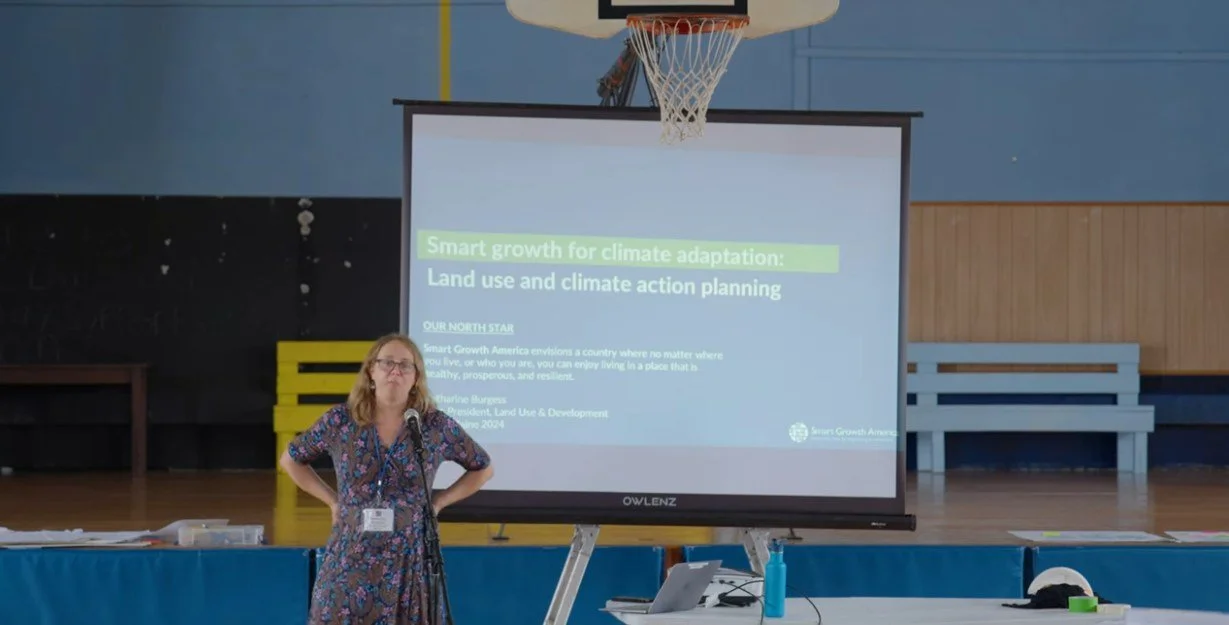
Katharine Burgess
Communities in Maine and across the U.S. are facing both a housing access crisis and a climate crisis. New housing cannot be built quickly enough, and existing supply is under threat from more frequent and intense climate events. How can Maine communities prioritize building in locations less susceptible to harm and how can historic communities, many of which are based around charming but vulnerable settings such as waterfronts, realistically adapt? Hear from Katharine on strategies to integrate resilience and pro-housing approaches, as well as SmartGrowth America’s efforts to break down silos between climate and housing policy at the Federal level.
Vice President, Land Use & Development | SmartGrowth America | Washington DC
Communities in Maine and across the U.S. are facing both a housing access crisis and a climate crisis. New housing cannot be built quickly enough, and existing supply is under threat from more frequent and intense climate events. How can Maine communities prioritize building in locations less susceptible to harm and how can historic communities, many of which are based around charming but vulnerable settings such as waterfronts, realistically adapt? Hear from Katharine on strategies to integrate resilience and pro-housing approaches, as well as SmartGrowth America’s efforts to break down silos between climate and housing policy at the Federal level.
Kaid Benfield
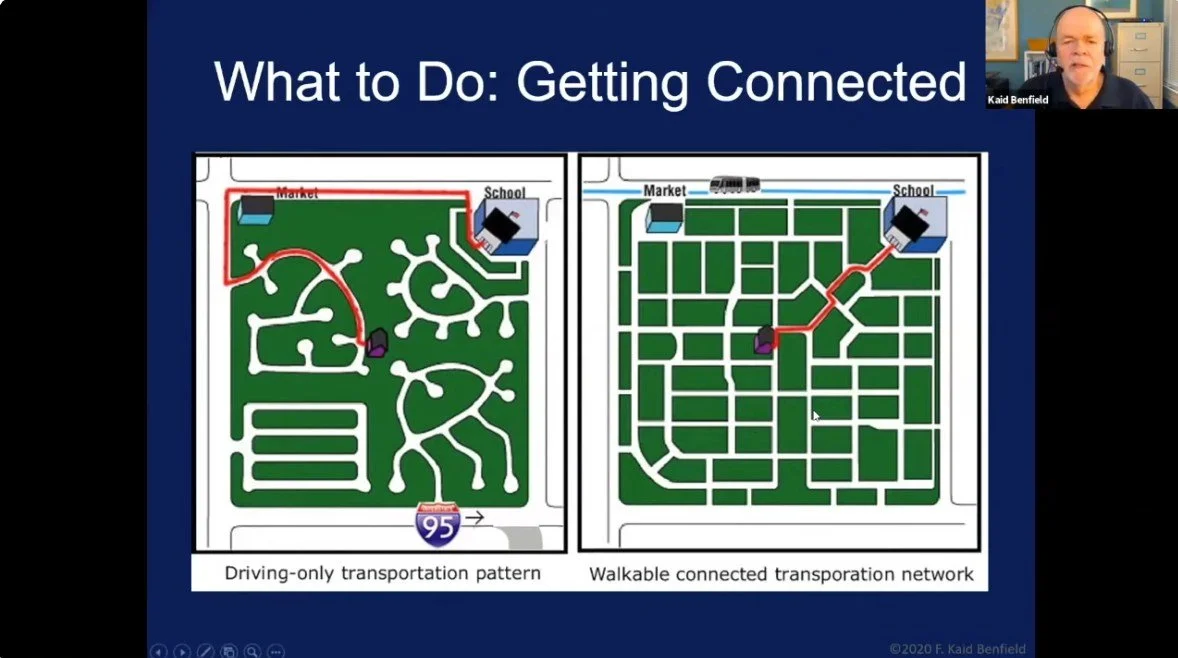
As our country continues to see changes in our environment from the effects of climate change, Maine is working to not only reduce carbon emissions, but also address the national blind spot in the conversation - specifically the environmental implications of land use patterns. The Coronavirus pandemic has also brought into focus an urgent need to create and sustain communities that support healing and healthy lifestyles. The good news is there are land development strategies that support both human and environmental health. Kaid Benfield will articulate some of these key strategies – and the research behind them – that can help us move toward a more sustainable future.
PlaceMakers | Washington, DC
As our country continues to see changes in our environment from the effects of climate change, Maine is working to not only reduce carbon emissions, but also address the national blind spot in the conversation - specifically the environmental implications of land use patterns. The Coronavirus pandemic has also brought into focus an urgent need to create and sustain communities that support healing and healthy lifestyles. The good news is there are land development strategies that support both human and environmental health. Kaid Benfield will articulate some of these key strategies – and the research behind them – that can help us move toward a more sustainable future.