
Creating Affordable Housing Across the Rural to Urban Transect
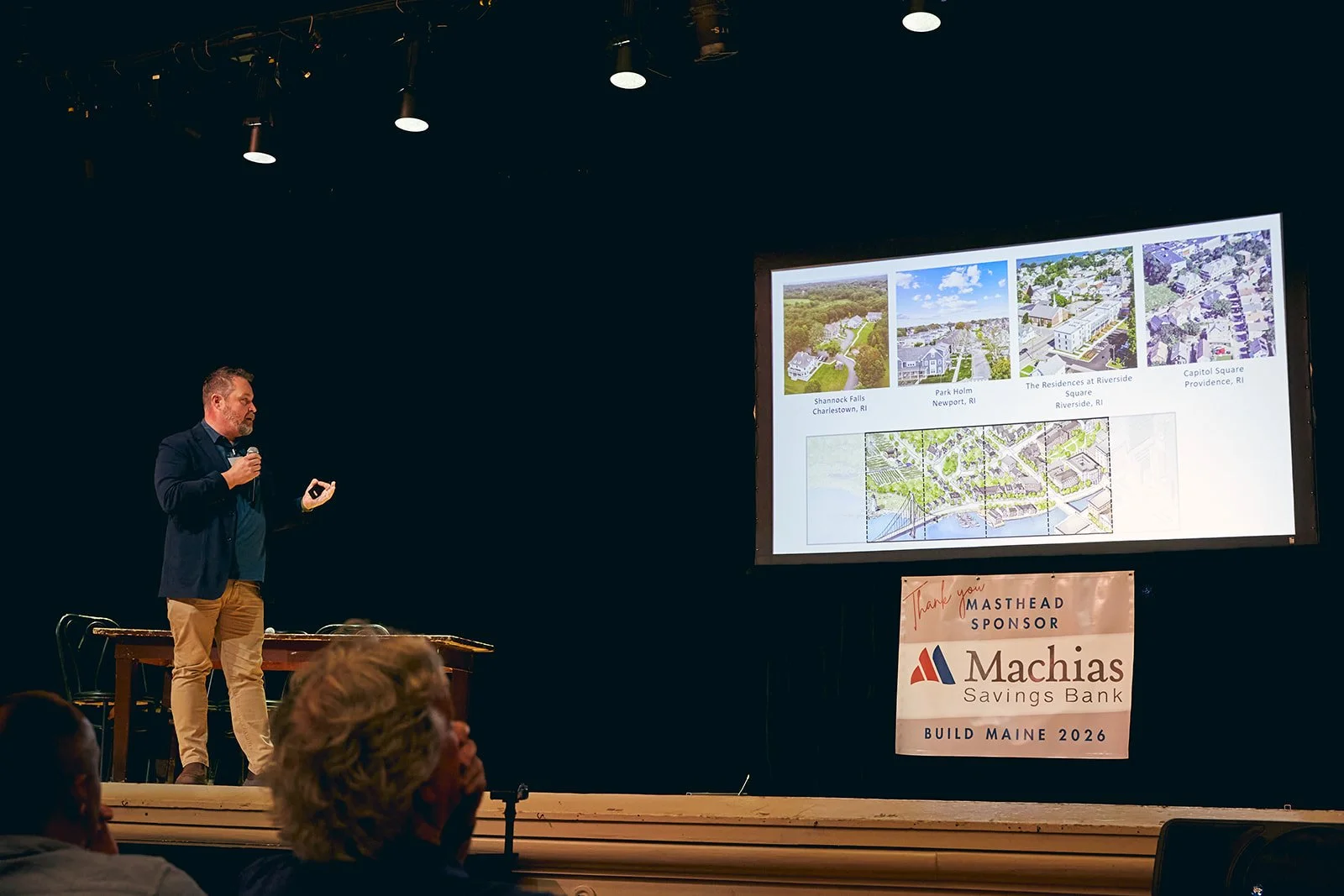
As the affordable housing crisis intensifies, communities nationwide struggle to create solutions that honor local context and foster connections, and that provide better alternatives to placeless, isolating subdivisions and apartment complexes. With over 140 affordable communities designed across the rural-to-urban transect, Jeremy Lake will share how affordable housing can both integrate seamlessly into communities and create high value, high-density places. Drawing from a number of diverse built projects, Jeremy will reveal how thoughtful design choices - from building typology to community amenity placement - can produce affordable neighborhoods. While these neighborhoods share fundamental design principles, each demonstrates how fine-tuned adjustments can respond to unique local context, offering practical strategies drawn from extensive experience.
Jeremy Lake | Union Studio | Providence, Rhode Island
As the affordable housing crisis intensifies, communities nationwide struggle to create solutions that honor local context and foster connections, and that provide better alternatives to placeless, isolating subdivisions and apartment complexes. With over 140 affordable communities designed across the rural-to-urban transect, Jeremy Lake will share how affordable housing can both integrate seamlessly into communities and create high value, high-density places. Drawing from a number of diverse built projects, Jeremy will reveal how thoughtful design choices - from building typology to community amenity placement - can produce affordable neighborhoods. While these neighborhoods share fundamental design principles, each demonstrates how fine-tuned adjustments can respond to unique local context, offering practical strategies drawn from extensive experience.

Re-Regulating for Quality Housing Abundance
Eric shared an expansive compendium of strategies for increasing the supply of housing. His presentation covered how to identify, break down, and solve problems that are holding back communities from being socially vibrant and economically productive. Those problems take many forms, including underutilized buildings, poor urban design, outdated, restrictive zoning codes, or a lack of variety as it relates to residential and commercial buildtypes. He speed walked through best practices that cover zoning and subdivision ordinances, building codes, and financial systems to support flourishing communities. He touched on policies at both the local and state level, recognizing that it often takes both to achieve better outcomes, as well as implementation strategies like pilot projects and pre-approved plans as tools to facilitate better outcomes.
Eric Kronberg | Architect + Urban Designer | Atlanta, Georgia
Eric shared an expansive compendium of strategies for increasing the supply of housing. His presentation covered how to identify, break down, and solve problems that are holding back communities from being socially vibrant and economically productive. Those problems take many forms, including underutilized buildings, poor urban design, outdated, restrictive zoning codes, or a lack of variety as it relates to residential and commercial buildtypes. He speed walked through best practices that cover zoning and subdivision ordinances, building codes, and financial systems to support flourishing communities. He touched on policies at both the local and state level, recognizing that it often takes both to achieve better outcomes, as well as implementation strategies like pilot projects and pre-approved plans as tools to facilitate better outcomes.
Presentation Slides - Part 2: Finance Challenges and The Urban Fabric
Presentation Slides - Part 3: Housing Legalization Strategies
The Value of Building in Existing Neighborhoods
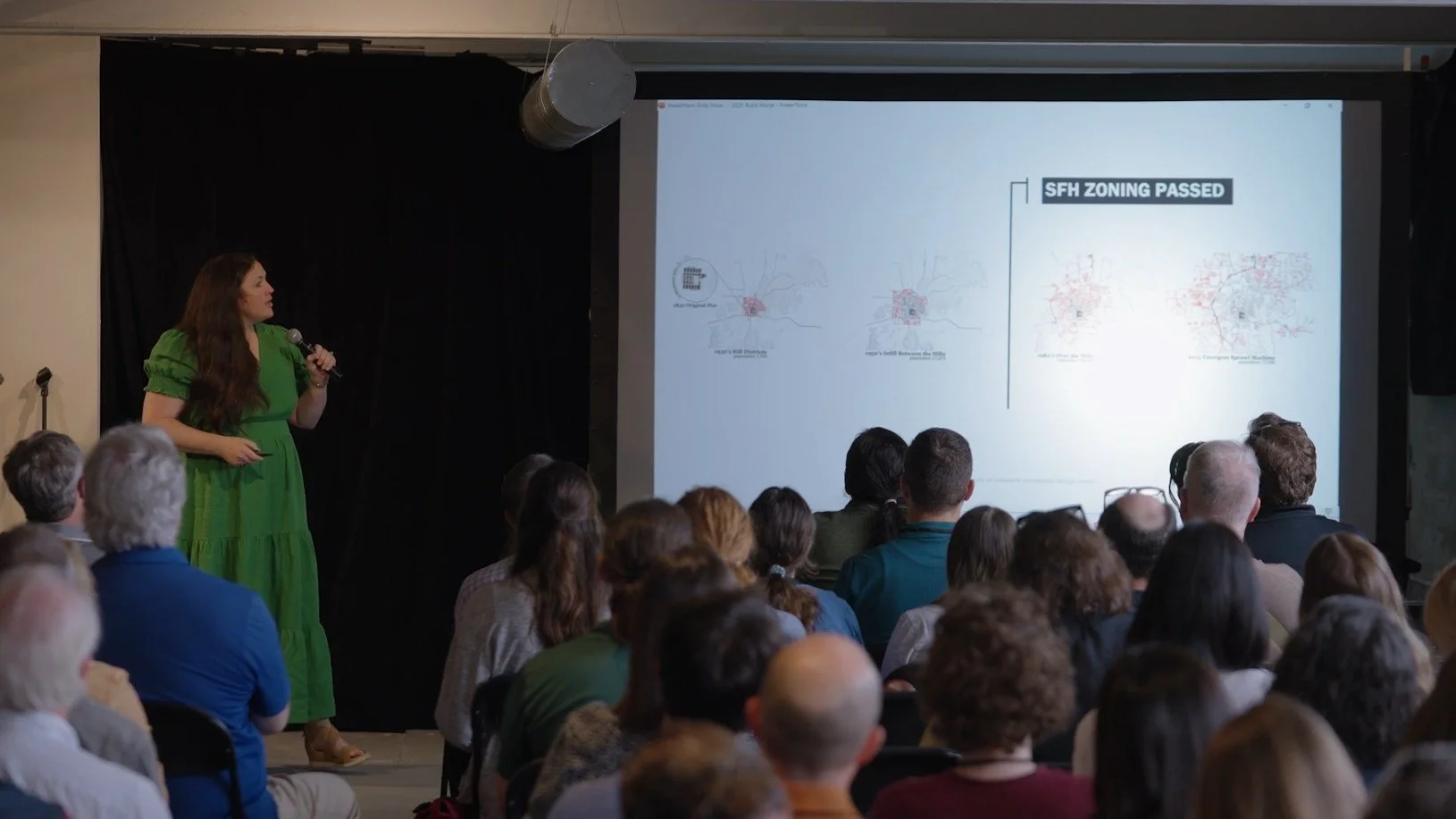
Allison seeks out design opportunities that can be lovable, sustainable, and walkable places so that we can save our productive and sensitive ecosystems from sprawl. Allison will also explore biases that are embedded in local property assessments and why so many communities are seeing property tax hikes to homeowners.
Allison Thurmond Quinlan | Flintlock LAB
Allison seeks out design opportunities that can be lovable, sustainable, and walkable places so that we can save our productive and sensitive ecosystems from sprawl. Allison will also explore biases that are embedded in local property assessments and why so many communities are seeing property tax hikes to homeowners.
Tom Low
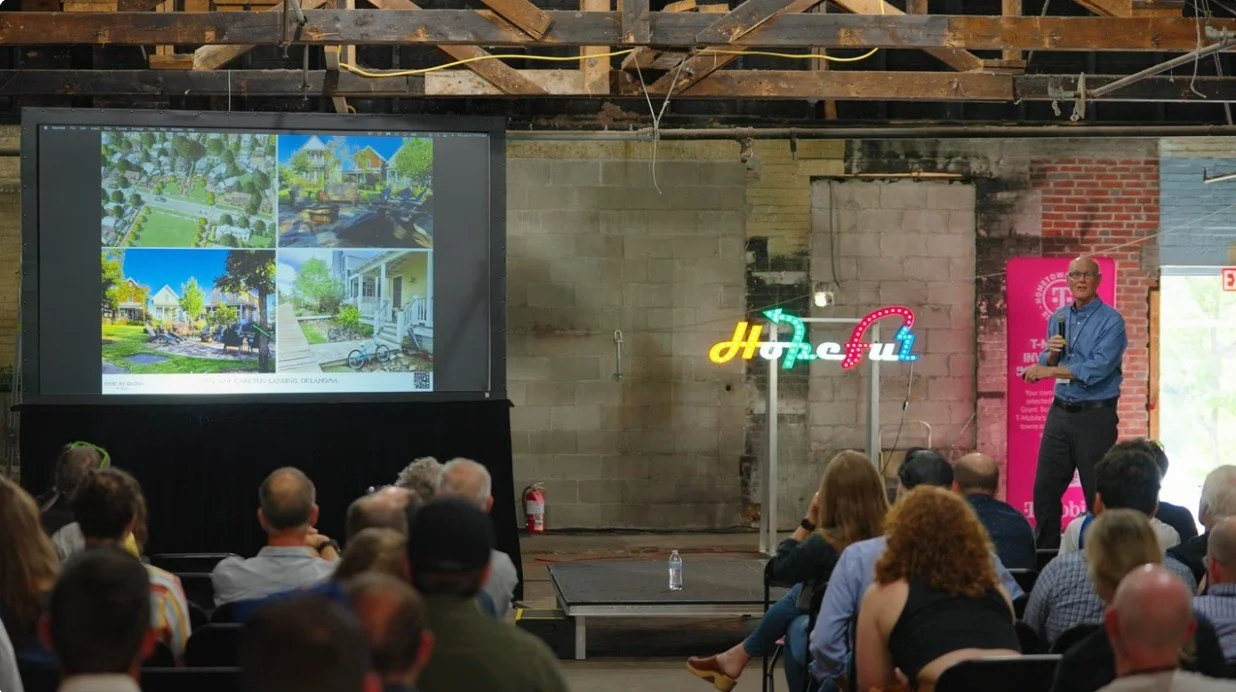
Maine has a finite amount of time to determine whether we will learn from America’s costly suburban mistakes, or continue to erode our treasured way of life. The choice between farms vs. highways, vast uninterrupted timber forests vs. low density residential sprawl, NIMBYism in our downtowns vs. embracing development where we need it most, open roads vs. traffic choked arterials - these are all choices we will make, either through apathy and non-action or through intentional work to change our land use development system. Tom will share inspiration and the steps we must take to develop in a way that Mainers will in fact love.
Director | Civic by Design | Charlotte, North Carolina
Maine has a finite amount of time to determine whether we will learn from America’s costly suburban mistakes, or continue to erode our treasured way of life. The choice between farms vs. highways, vast uninterrupted timber forests vs. low density residential sprawl, NIMBYism in our downtowns vs. embracing development where we need it most, open roads vs. traffic choked arterials - these are all choices we will make, either through apathy and non-action or through intentional work to change our land use development system. Tom will share inspiration and the steps we must take to develop in a way that Mainers will in fact love.
Katharine Burgess
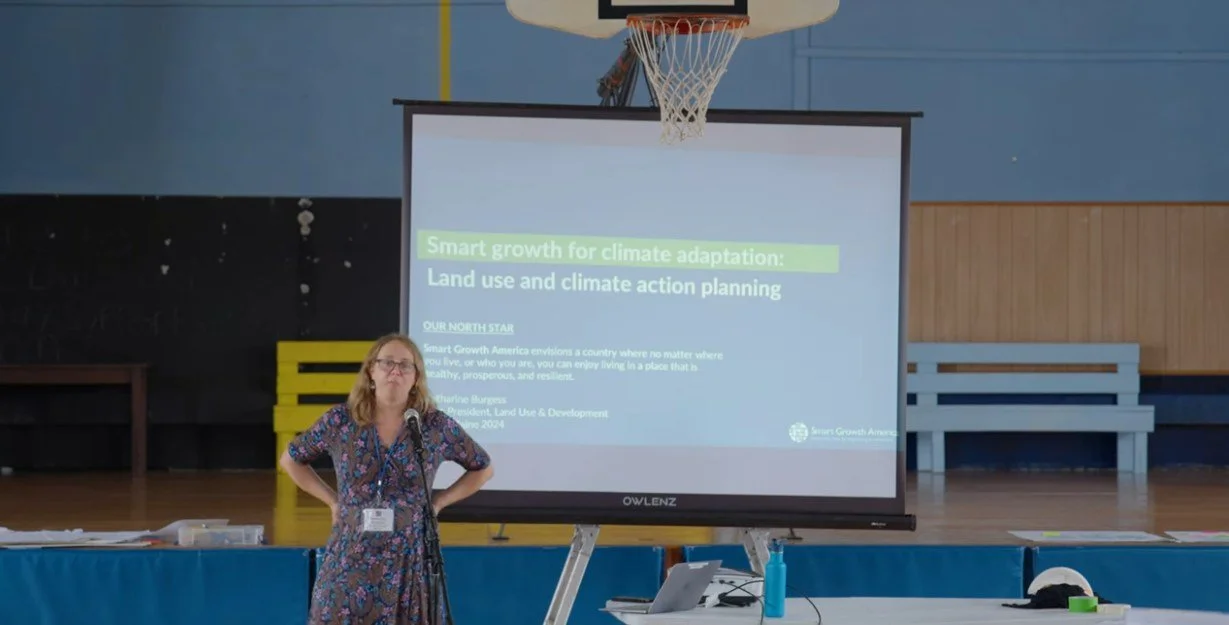
Communities in Maine and across the U.S. are facing both a housing access crisis and a climate crisis. New housing cannot be built quickly enough, and existing supply is under threat from more frequent and intense climate events. How can Maine communities prioritize building in locations less susceptible to harm and how can historic communities, many of which are based around charming but vulnerable settings such as waterfronts, realistically adapt? Hear from Katharine on strategies to integrate resilience and pro-housing approaches, as well as SmartGrowth America’s efforts to break down silos between climate and housing policy at the Federal level.
Vice President, Land Use & Development | SmartGrowth America | Washington DC
Communities in Maine and across the U.S. are facing both a housing access crisis and a climate crisis. New housing cannot be built quickly enough, and existing supply is under threat from more frequent and intense climate events. How can Maine communities prioritize building in locations less susceptible to harm and how can historic communities, many of which are based around charming but vulnerable settings such as waterfronts, realistically adapt? Hear from Katharine on strategies to integrate resilience and pro-housing approaches, as well as SmartGrowth America’s efforts to break down silos between climate and housing policy at the Federal level.
Matthew Petty
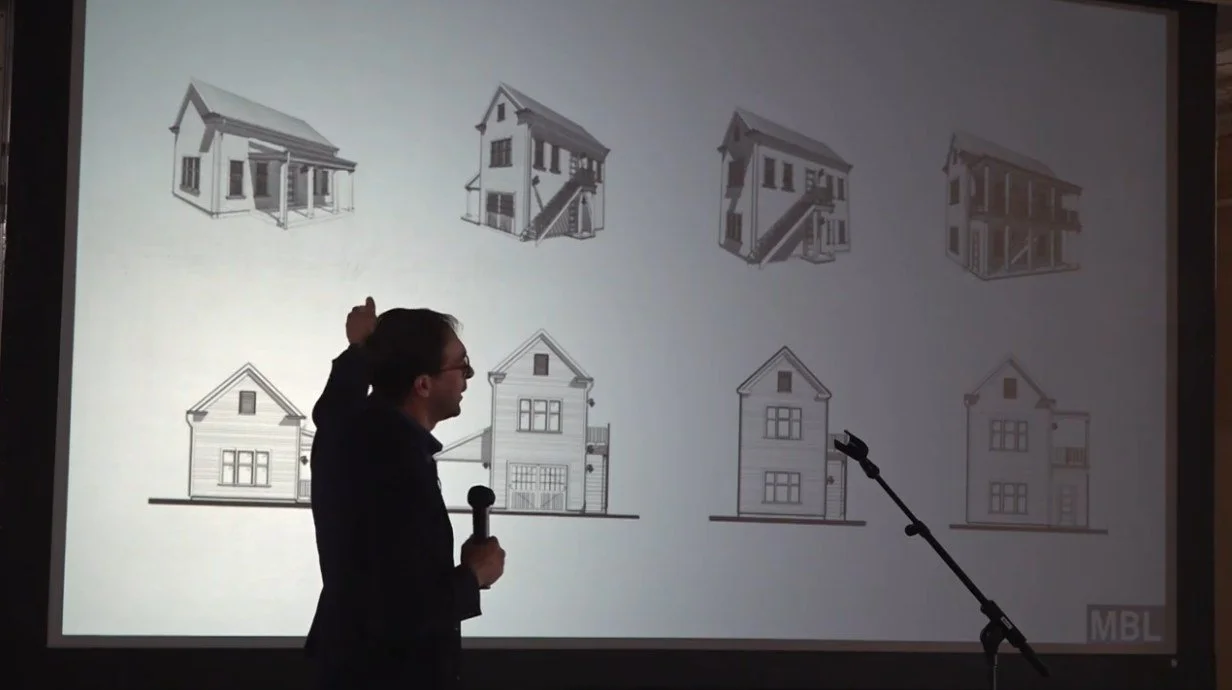
Matthew Petty has not only been building small scale real estate projects, but he’s also pioneering a new approach to development approvals. “Pattern Zoning” has been adopted in several communities as a way to pre-approve building types and make it easier for people to invest in a community vision. See what’s possible when we remove barriers to development, front load the public engagement process, and make it easier to build what cities and towns want.
Co-Founder / Director | Infill Group | Fayetteville, Arkansas
Matthew Petty has not only been building small scale real estate projects, but he’s also pioneering a new approach to development approvals. “Pattern Zoning” has been adopted in several communities as a way to pre-approve building types and make it easier for people to invest in a community vision. See what’s possible when we remove barriers to development, front load the public engagement process, and make it easier to build what cities and towns want.
Dan Parolek
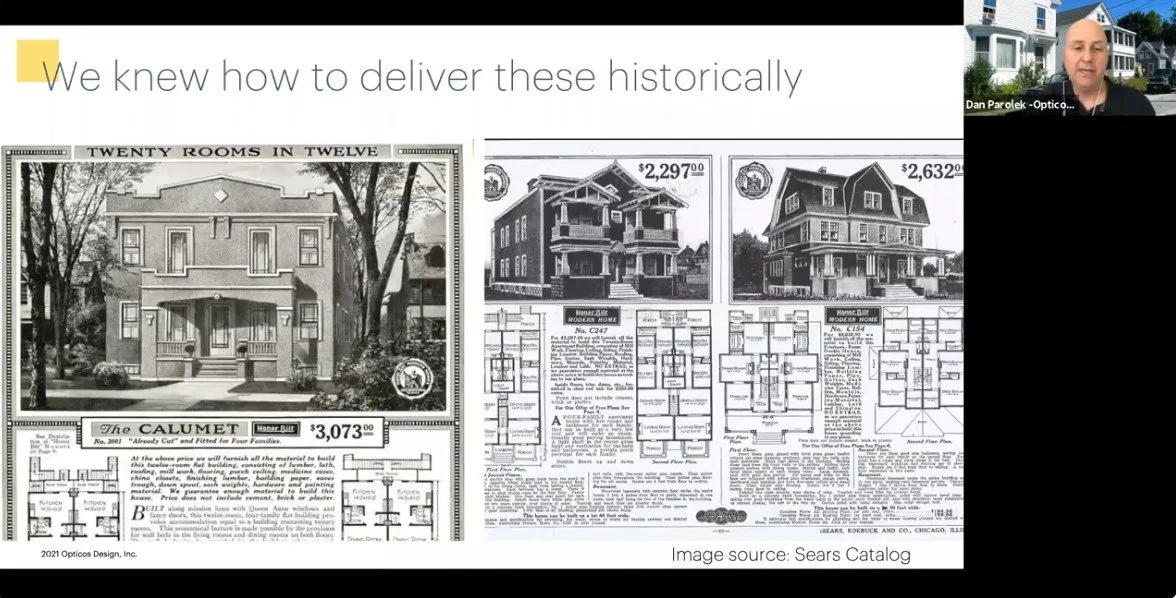
Maine is feeling the housing crunch with less than 30 days of housing inventory on the market, driving up prices to unsustainable levels. In order to protect the parts of Maine we all love most — our open fields, forests, farms, long views, and wild areas — we are going to need to quickly make it easier to develop and redevelop in our village, town, and city centers. Dan Parolek, planner, developer, architect, and author of Missing Middle Housing holds the key to overcoming many of the challenges that have prevented housing development in the hearts of our communities. The answer is in the smaller multi-family building types that form the fabric of our communities and that continue to be a key part of our affordable housing stock in Maine. More information can be found at www.opticosdesign.com and www.missingmiddlehousing.com.
Opticos Design
Maine is feeling the housing crunch with less than 30 days of housing inventory on the market, driving up prices to unsustainable levels. In order to protect the parts of Maine we all love most — our open fields, forests, farms, long views, and wild areas — we are going to need to quickly make it easier to develop and redevelop in our village, town, and city centers. Dan Parolek, planner, developer, architect, and author of Missing Middle Housing holds the key to overcoming many of the challenges that have prevented housing development in the hearts of our communities. The answer is in the smaller multi-family building types that form the fabric of our communities and that continue to be a key part of our affordable housing stock in Maine. More information can be found at www.opticosdesign.com and www.missingmiddlehousing.com.
Sharon Woods
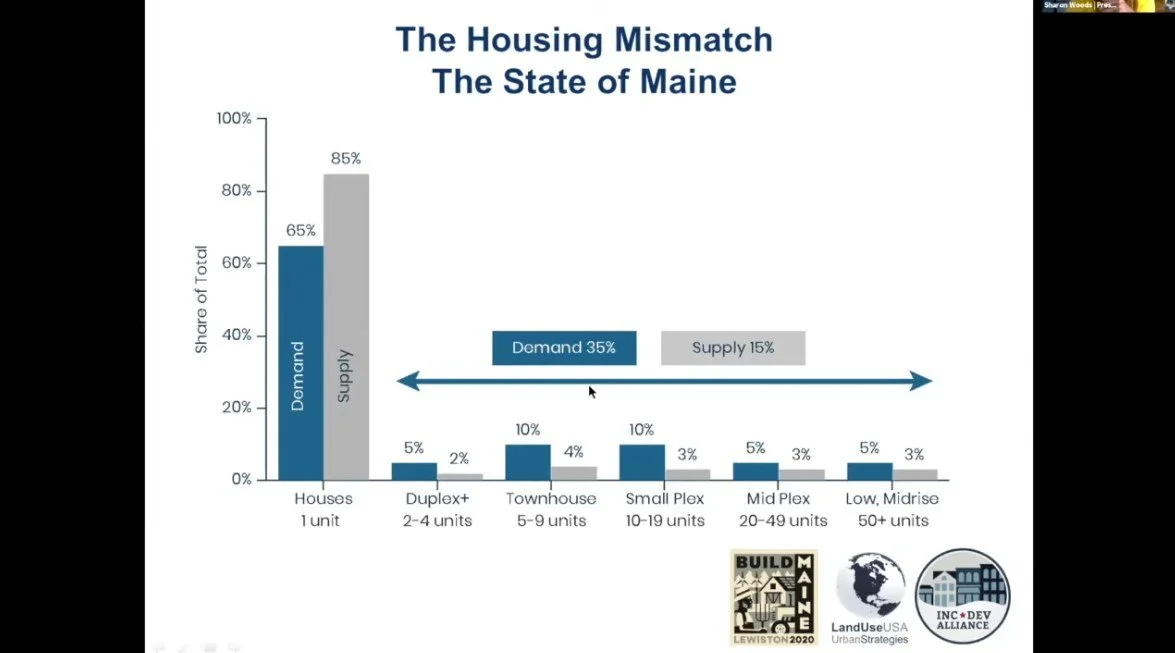
Communities and developers routinely conduct market studies to better understand local gaps and needs for urban housing. However, those studies are usually based on what has already been built, so they risk reinforcing redundancies, building types, and practices. The innovative Target Market Analysis approach shifts the focus onto the lifestyles of migrating households and their preferences for missing housing formats. This approach is particularly relevant while we contemplate the possible impacts that the current economic and health crisis could have on cities and urban places. Join us in hearing what Sharon has found in her analysis of two Maine communities; and her forecasts of the impacts that COVID-19 will have on the lifestyle preferences of migrating Y and Z Generations.
Owner, LandUseUSA | Urban Strategies | Lansing, Michigan
Communities and developers routinely conduct market studies to better understand local gaps and needs for urban housing. However, those studies are usually based on what has already been built, so they risk reinforcing redundancies, building types, and practices. The innovative Target Market Analysis approach shifts the focus onto the lifestyles of migrating households and their preferences for missing housing formats. This approach is particularly relevant while we contemplate the possible impacts that the current economic and health crisis could have on cities and urban places. Join us in hearing what Sharon has found in her analysis of two Maine communities; and her forecasts of the impacts that COVID-19 will have on the lifestyle preferences of migrating Y and Z Generations.