
Life With Less Driving
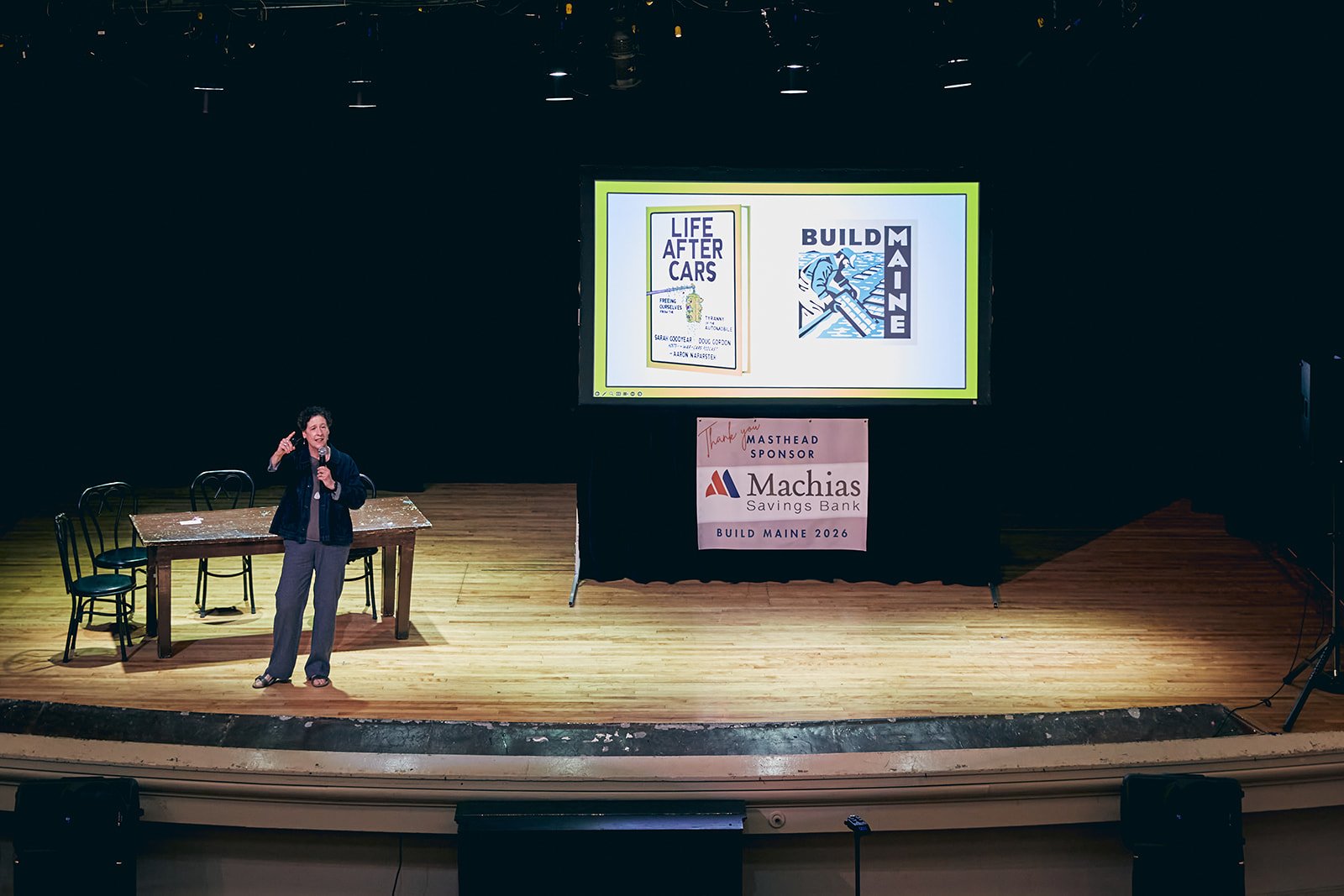
Maine is one of the most car dependent states in the country. The costs of a car dependant society are piling up with massive, unforeseen consequences for our health, environment, budgets and society. Are conversations about alternative forms of transportation relevant to Maine, the most rural state in the country? Given our aging population, rising fuel and energy prices, and our ecotourism-based economy, should Maine consider other ways to structure our transportation system? Sarah Goodyear, podcast co-host for ‘The War on Cars’ and co-author of Life After Cars, will start the conversation.
Sarah Goodyear | Journalist, Author, and Podcast Host | New York, New York
Maine is one of the most car dependent states in the country. The costs of a car dependent society are piling up with massive, unforeseen consequences for our health, environment, budgets and society. Are conversations about alternative forms of transportation relevant to Maine, the most rural state in the country? Given our aging population, rising fuel and energy prices, and our ecotourism-based economy, should Maine consider other ways to structure our transportation system? Sarah Goodyear, podcast co-host for ‘The War on Cars’ and co-author of Life After Cars, will start the conversation.
Land Banking Success Stories From Rural America
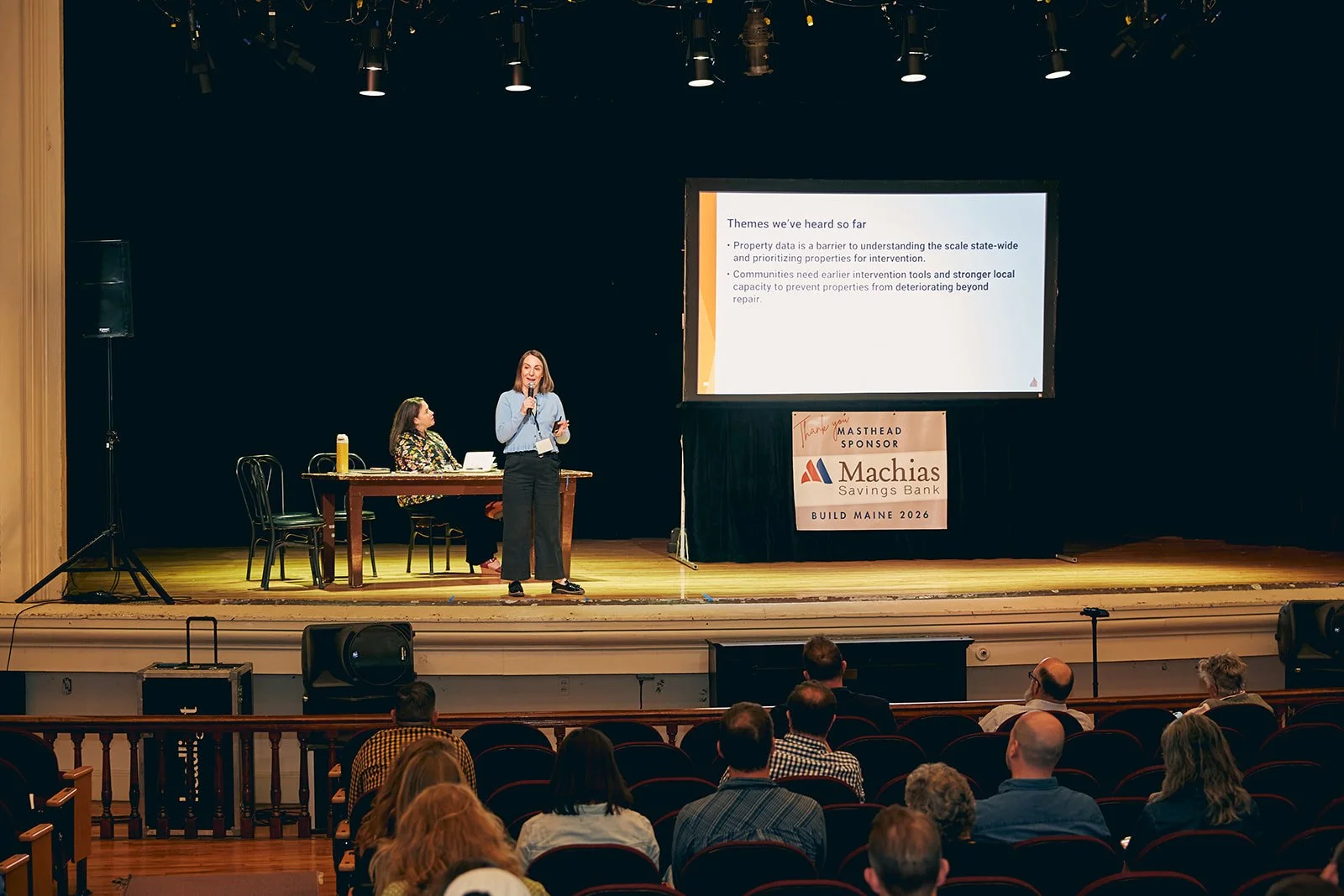
Vacant properties impose significant financial and social costs on communities— but with the right approach, they can become catalysts for meaningful transformation. Drawing from nationally innovative approaches, the Center for Community Progress will showcase how intentional interventions can transform declining properties to advance home-ownership, neighborhood revitalization, workforce development, and more, with a focus on examples from rural and comparable communities. Central to this work is a strong understanding of key tools, including data collection and analysis, code enforcement, delinquent tax enforcement, and land banking. The session will also explore Maine Redevelopment’s emerging role in addressing vacant properties statewide and offer insights into how communities can collaborate with the State to drive lasting impact across Maine.
Liz Kozub | Associate Director of Technical Assistance, Center for Community Progress
Kim Graziani | Technical Assistance Senior Advisor, Center for Community Progress
Vacant properties impose significant financial and social costs on communities— but with the right approach, they can become catalysts for meaningful transformation. Drawing from nationally innovative approaches, the Center for Community Progress will showcase how intentional interventions can transform declining properties to advance home-ownership, neighborhood revitalization, workforce development, and more, with a focus on examples from rural and comparable communities. Central to this work is a strong understanding of key tools, including data collection and analysis, code enforcement, delinquent tax enforcement, and land banking. The session will also explore Maine Redevelopment’s emerging role in addressing vacant properties statewide and offer insights into how communities can collaborate with the State to drive lasting impact across Maine.
Creating Affordable Housing Across the Rural to Urban Transect
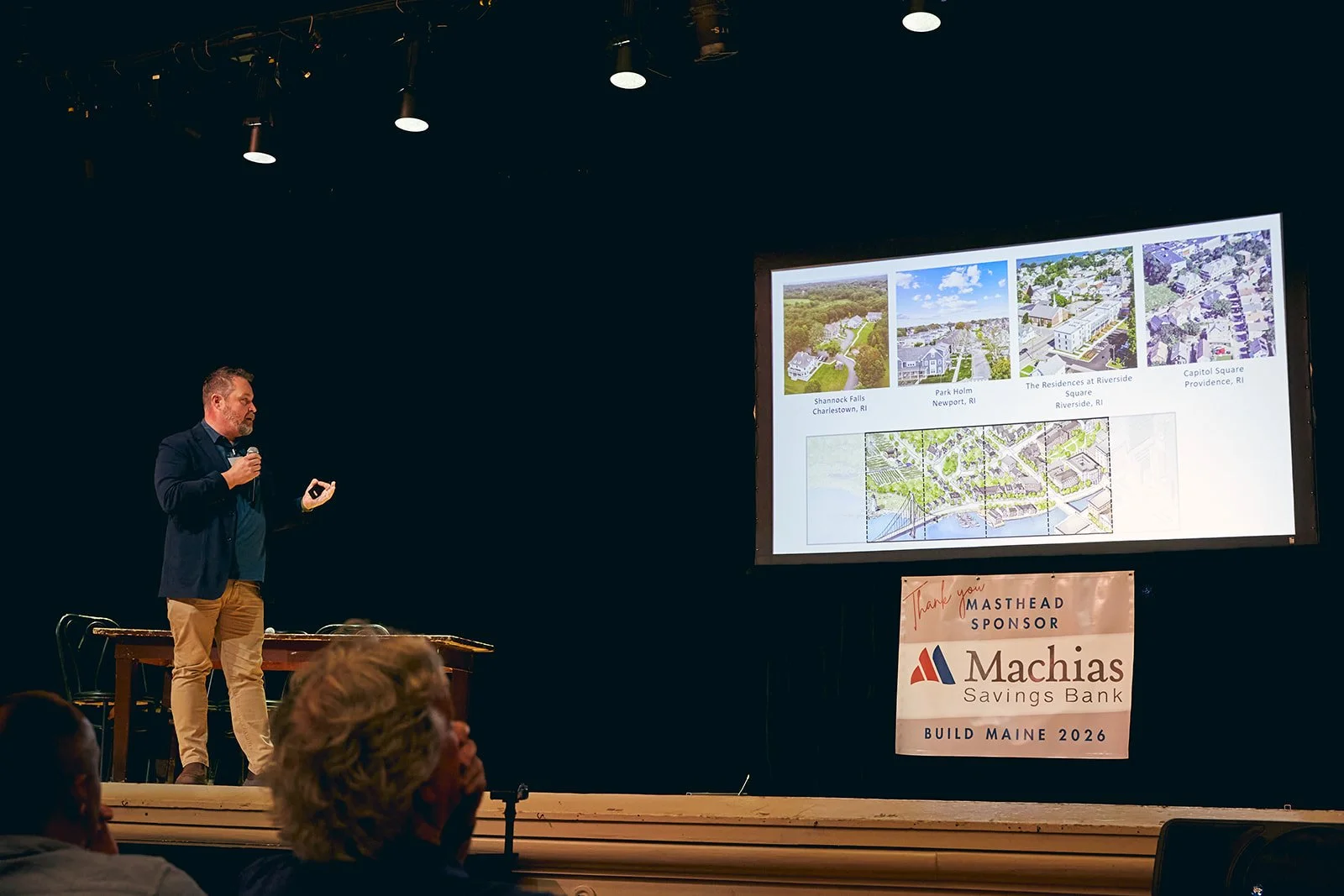
As the affordable housing crisis intensifies, communities nationwide struggle to create solutions that honor local context and foster connections, and that provide better alternatives to placeless, isolating subdivisions and apartment complexes. With over 140 affordable communities designed across the rural-to-urban transect, Jeremy Lake will share how affordable housing can both integrate seamlessly into communities and create high value, high-density places. Drawing from a number of diverse built projects, Jeremy will reveal how thoughtful design choices - from building typology to community amenity placement - can produce affordable neighborhoods. While these neighborhoods share fundamental design principles, each demonstrates how fine-tuned adjustments can respond to unique local context, offering practical strategies drawn from extensive experience.
Jeremy Lake | Union Studio | Providence, Rhode Island
As the affordable housing crisis intensifies, communities nationwide struggle to create solutions that honor local context and foster connections, and that provide better alternatives to placeless, isolating subdivisions and apartment complexes. With over 140 affordable communities designed across the rural-to-urban transect, Jeremy Lake will share how affordable housing can both integrate seamlessly into communities and create high value, high-density places. Drawing from a number of diverse built projects, Jeremy will reveal how thoughtful design choices - from building typology to community amenity placement - can produce affordable neighborhoods. While these neighborhoods share fundamental design principles, each demonstrates how fine-tuned adjustments can respond to unique local context, offering practical strategies drawn from extensive experience.
Re-Regulating for Quality Housing Abundance
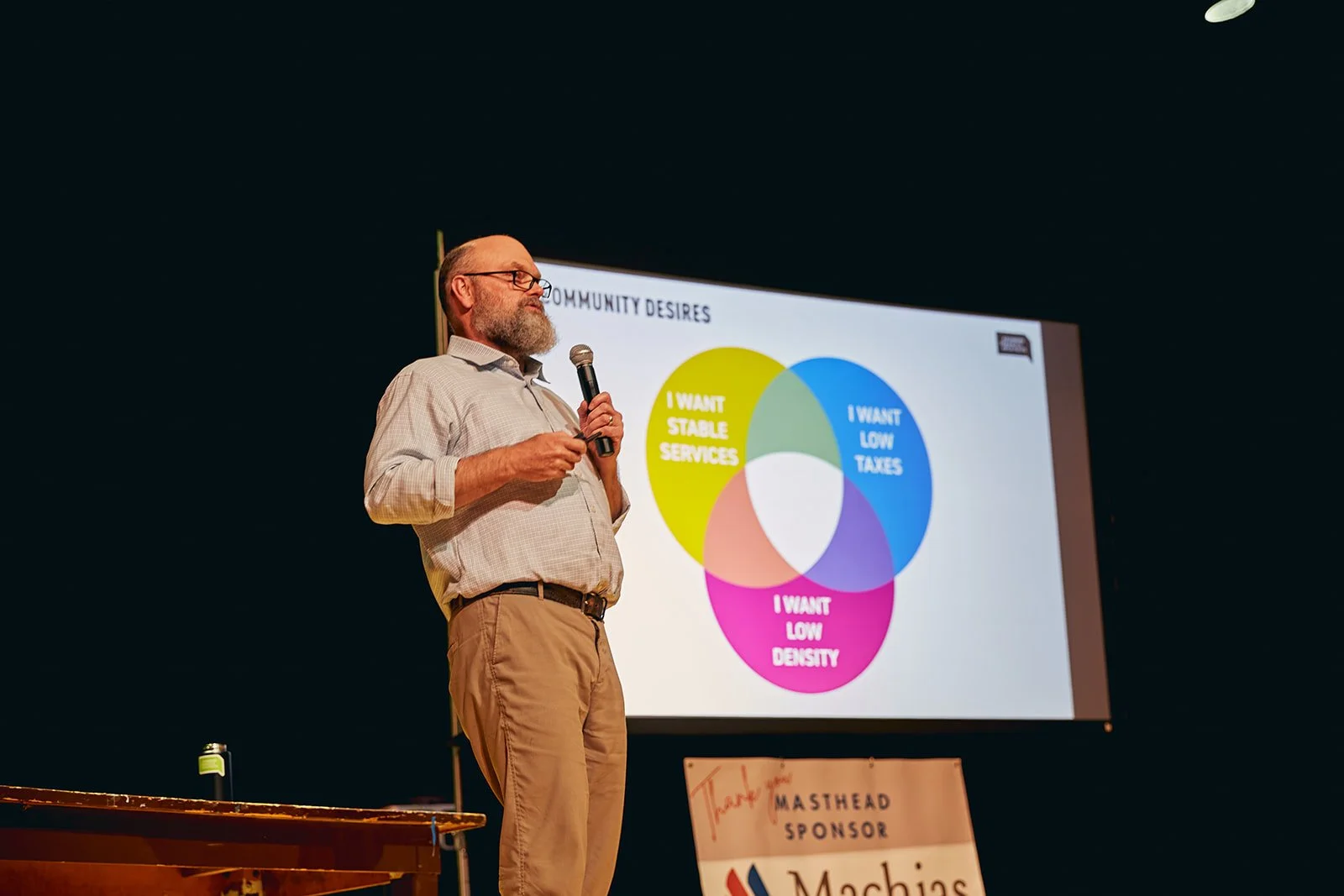
Eric shared an expansive compendium of strategies for increasing the supply of housing. His presentation covered how to identify, break down, and solve problems that are holding back communities from being socially vibrant and economically productive. Those problems take many forms, including underutilized buildings, poor urban design, outdated, restrictive zoning codes, or a lack of variety as it relates to residential and commercial buildtypes. He speed walked through best practices that cover zoning and subdivision ordinances, building codes, and financial systems to support flourishing communities. He touched on policies at both the local and state level, recognizing that it often takes both to achieve better outcomes, as well as implementation strategies like pilot projects and pre-approved plans as tools to facilitate better outcomes.
Eric Kronberg | Architect + Urban Designer | Atlanta, Georgia
Eric shared an expansive compendium of strategies for increasing the supply of housing. His presentation covered how to identify, break down, and solve problems that are holding back communities from being socially vibrant and economically productive. Those problems take many forms, including underutilized buildings, poor urban design, outdated, restrictive zoning codes, or a lack of variety as it relates to residential and commercial buildtypes. He speed walked through best practices that cover zoning and subdivision ordinances, building codes, and financial systems to support flourishing communities. He touched on policies at both the local and state level, recognizing that it often takes both to achieve better outcomes, as well as implementation strategies like pilot projects and pre-approved plans as tools to facilitate better outcomes.
Presentation Slides - Part 2: Finance Challenges and The Urban Fabric
Presentation Slides - Part 3: Housing Legalization Strategies