
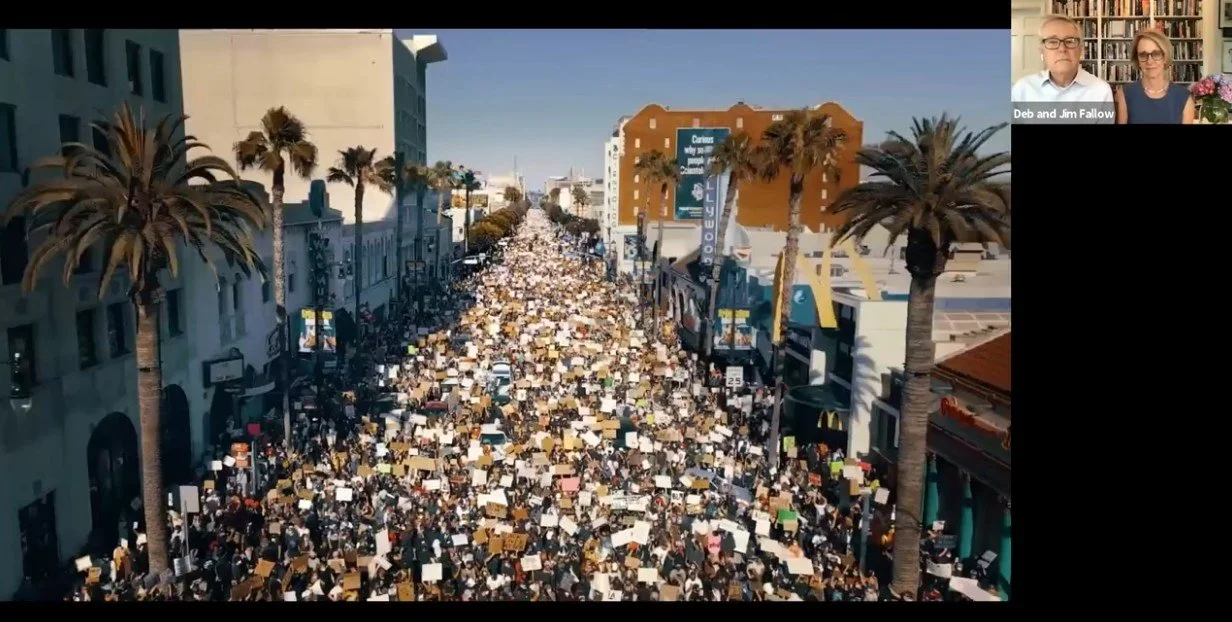
James and Deborah Fallows
America is changing and moving once again toward an era of renewed innovation, compromise, and optimism, using practical solutions to solve the problems of this age. But what makes some communities more successful than others? Jim and Deb Fallows traveled the country to find out exactly that. On the ground, they saw a pattern emerge of American reinvention in the face of economic shocks, political crises, or other serious hardships. Hopping between cities and towns all over the United States by way of small airplane, these two keen observers will share stories and lessons from communities that have galvanized local energy and enthusiasm to make their places thrive.
Our Towns Foundation | Washington, D.c.
America is changing and moving once again toward an era of renewed innovation, compromise, and optimism, using practical solutions to solve the problems of this age. But what makes some communities more successful than others? Jim and Deb Fallows traveled the country to find out exactly that. On the ground, they saw a pattern emerge of American reinvention in the face of economic shocks, political crises, or other serious hardships. Hopping between cities and towns all over the United States by way of small airplane, these two keen observers will share stories and lessons from communities that have galvanized local energy and enthusiasm to make their places thrive.
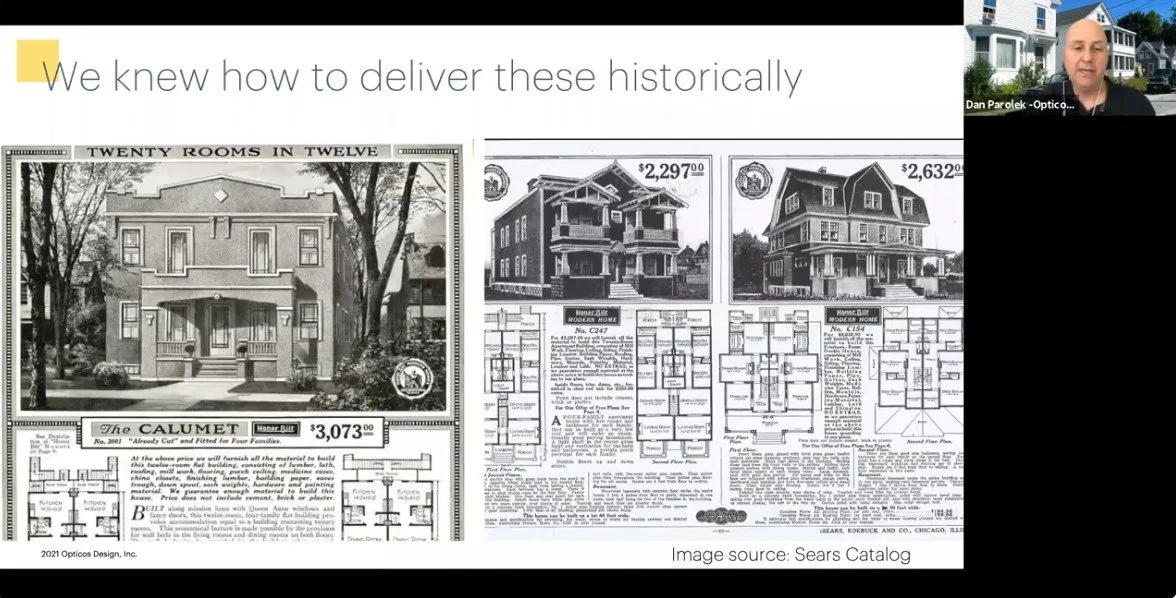
Dan Parolek
Maine is feeling the housing crunch with less than 30 days of housing inventory on the market, driving up prices to unsustainable levels. In order to protect the parts of Maine we all love most — our open fields, forests, farms, long views, and wild areas — we are going to need to quickly make it easier to develop and redevelop in our village, town, and city centers. Dan Parolek, planner, developer, architect, and author of Missing Middle Housing holds the key to overcoming many of the challenges that have prevented housing development in the hearts of our communities. The answer is in the smaller multi-family building types that form the fabric of our communities and that continue to be a key part of our affordable housing stock in Maine. More information can be found at www.opticosdesign.com and www.missingmiddlehousing.com.
Opticos Design
Maine is feeling the housing crunch with less than 30 days of housing inventory on the market, driving up prices to unsustainable levels. In order to protect the parts of Maine we all love most — our open fields, forests, farms, long views, and wild areas — we are going to need to quickly make it easier to develop and redevelop in our village, town, and city centers. Dan Parolek, planner, developer, architect, and author of Missing Middle Housing holds the key to overcoming many of the challenges that have prevented housing development in the hearts of our communities. The answer is in the smaller multi-family building types that form the fabric of our communities and that continue to be a key part of our affordable housing stock in Maine. More information can be found at www.opticosdesign.com and www.missingmiddlehousing.com.
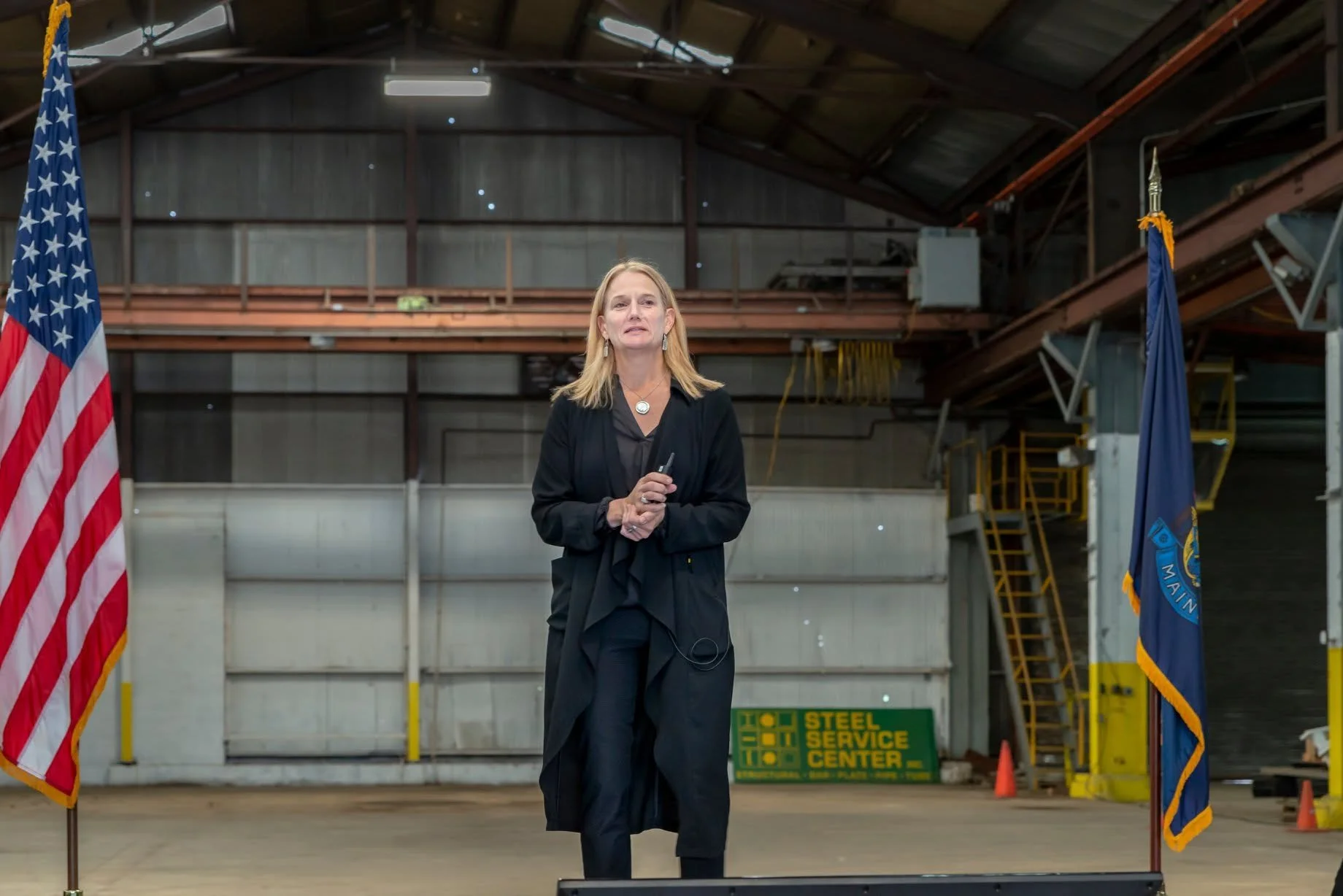
Kathryn Rogers Merlino
What does truly sustainable design look like at the building and neighborhood scale? Kathryn will share the findings from her recent book, Building Reuse: Sustainability, Preservation, and the Value of Design. Learn about how reusing and re-imagining existing buildings can reduce carbon emissions, spur economic growth, and improve neighborhood character.
Professor of Architecture | University of Washington | Seattle
What does truly sustainable design look like at the building and neighborhood scale? Kathryn will share the findings from her recent book, Building Reuse: Sustainability, Preservation, and the Value of Design. Learn about how reusing and re-imagining existing buildings can reduce carbon emissions, spur economic growth, and improve neighborhood character.
“When we travel, we seek out existing buildings and places because they have a history and a cultural value to them. I think the messiness and complexity of older buildings appeals to our human nature, often more than new buildings, especially when they look exactly like all the rest of the buildings in the neighborhood.”
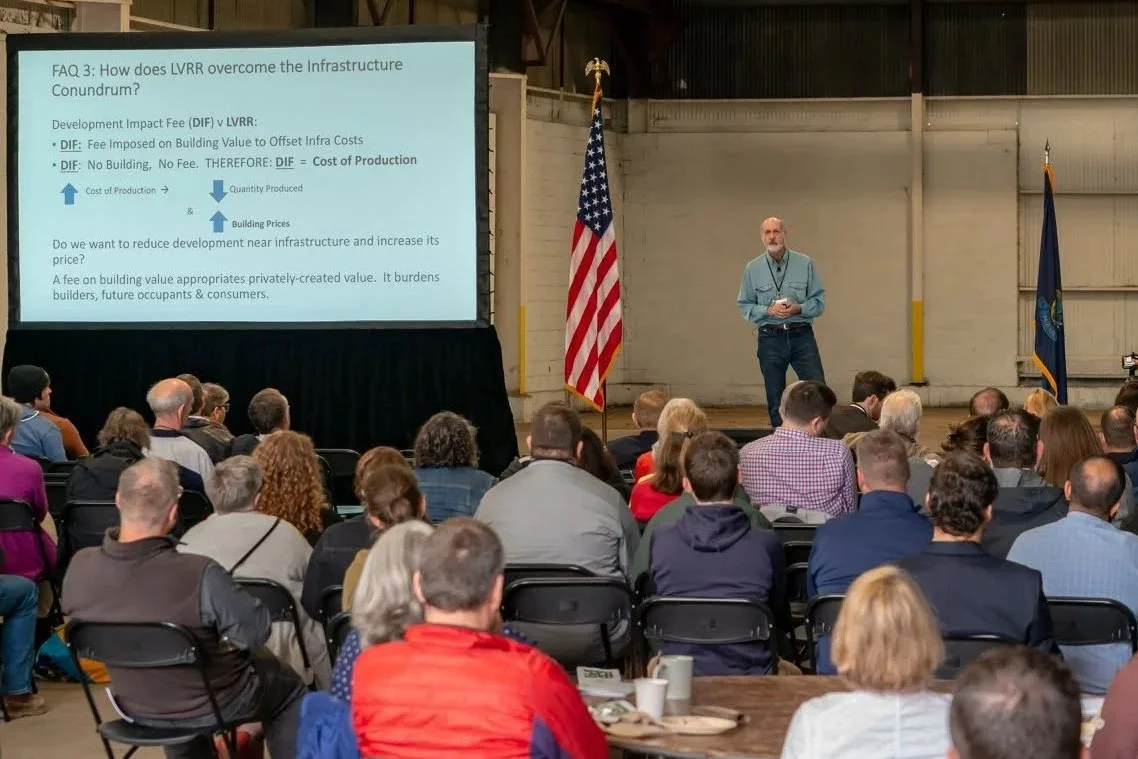
Rick Rybeck
Typically, communities create streets and utilities to facilitate development. Yet rising land prices near new or improved infrastructure often chases development to cheaper, but more remote sites. The resulting sprawl is bad for the environment and bad for municipal budgets due to the necessary duplication of expensive infrastructure. While towns and cities create enormous value through public services, they often struggle for funds. Rick Rybeck will share how some communities have overcome these ongoing fiscal challenges while also providing more affordable housing and commercial space.
Director | Just Economics, LLC | Washington, DC
Typically, communities create streets and utilities to facilitate development. Yet rising land prices near new or improved infrastructure often chases development to cheaper, but more remote sites. The resulting sprawl is bad for the environment and bad for municipal budgets due to the necessary duplication of expensive infrastructure. While towns and cities create enormous value through public services, they often struggle for funds. Rick Rybeck will share how some communities have overcome these ongoing fiscal challenges while also providing more affordable housing and commercial space.
“How we raise funds for infrastructure is just as important as how much funding we raise. Different funding mechanisms have different incentives and disincentives. Using the right tools, communities can harmonize economic incentives with public policy objectives for job creation, affordable housing, and sustainable development to become more prosperous, equitable and financially self-sustaining.”
Jeff Speck
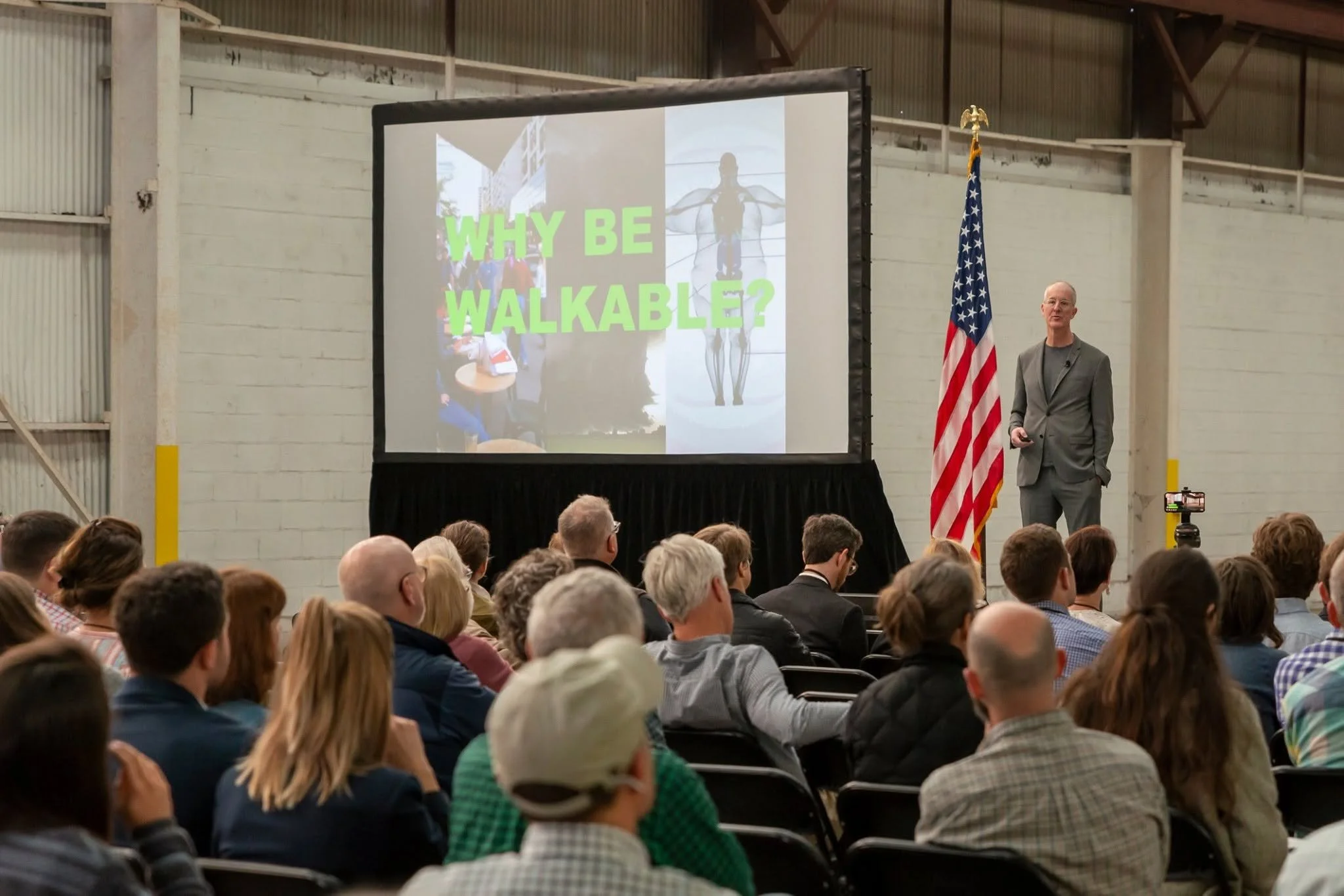
Learn simple solutions to reclaim streets and make our downtowns and neighborhoods safe again for a broad range of human and economic activity. Jeff Speck, author of Suburban Nation and Walkable Cities, will share lessons from his latest book, Walkable City Rules: 101 Steps to Making Better Places, a tool-kit for urban activists. He will describe the primacy of walkability in building more vital, resilient, and appealing cities.
City Planner and Bestselling Author | Speck & Associates | Brookline, Massachusetts
Learn simple solutions to reclaim streets and make our downtowns and neighborhoods safe again for a broad range of human and economic activity. Jeff Speck, author of Suburban Nation and Walkable Cities, will share lessons from his latest book, Walkable City Rules: 101 Steps to Making Better Places, a tool-kit for urban activists. He will describe the primacy of walkability in building more vital, resilient, and appealing cities.
“Even the best urbanism won’t generate walkability if people think they’re going to die every time they walk out on the street. Still, most American cities that developed pre-war have a downtown. And today many have virtually everything they need in terms of walkability—except they’re utterly unsafe.”
Andrew Howard
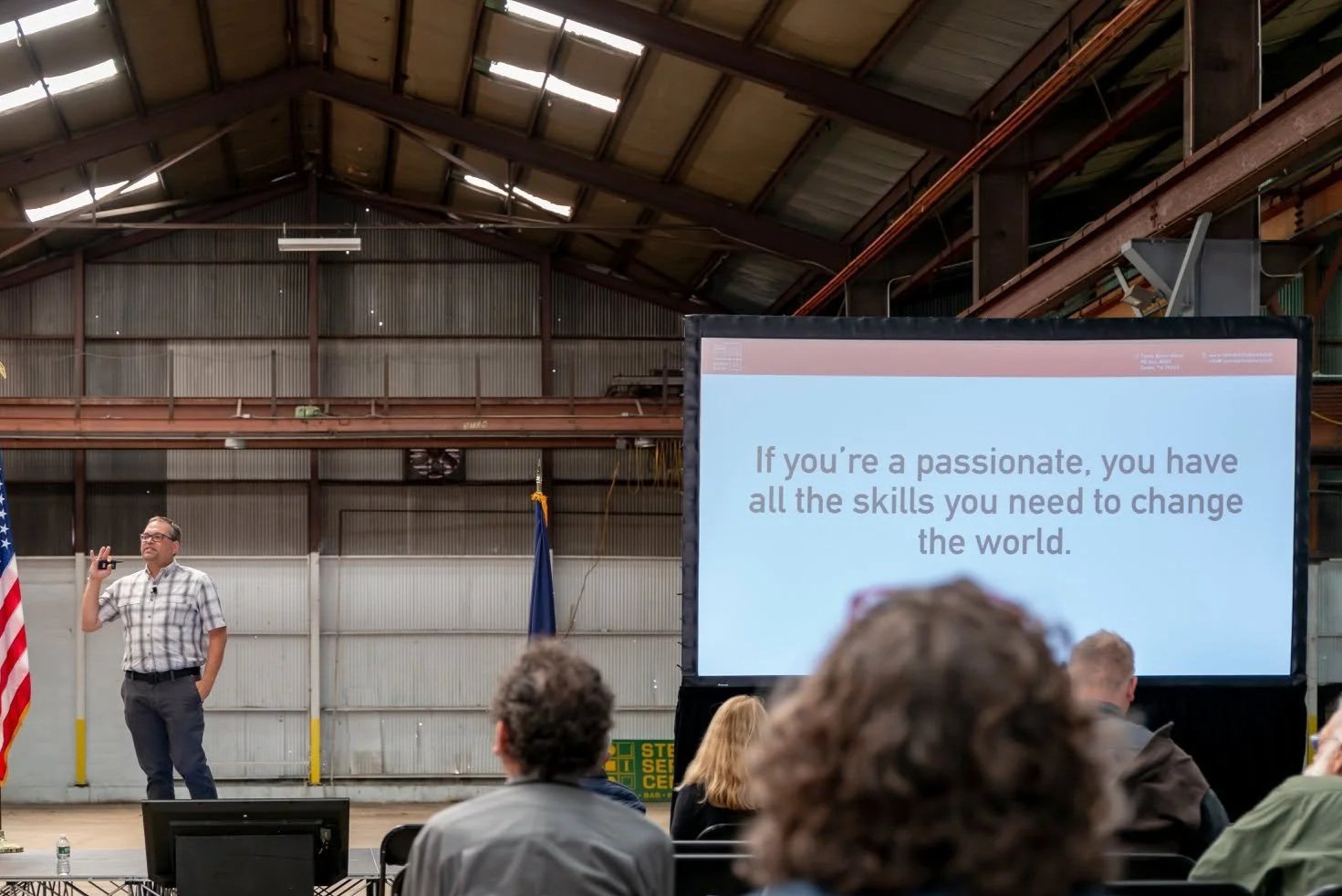
Team Better Block temporarily re-engineers auto-dominated urban areas into vibrant centers. Their iterative approach is both scalable and hyper-local. Having been used in over 200 cities, The Better Block approach provides elected officials, leaders, and citizens with a greater understanding of the urgent need for more permanent change. Andrew, the principal of Team Better Block, will share lessons learned from an all-hands-on-deck approach to urban design.
Co-Founder/Director | Team Better Block | Dallas, Texas
Team Better Block temporarily re-engineers auto-dominated urban areas into vibrant centers. Their iterative approach is both scalable and hyper-local. Having been used in over 200 cities, The Better Block approach provides elected officials, leaders, and citizens with a greater understanding of the urgent need for more permanent change. Andrew, the principal of Team Better Block, will share lessons learned from an all-hands-on-deck approach to urban design.
“What I’ve realized through Better Block is that every community already has everybody they need. They just need to activate the talented people who are already there, and shove them into one place at one time, and that place can become better really quickly.”
Jenifer Acosta
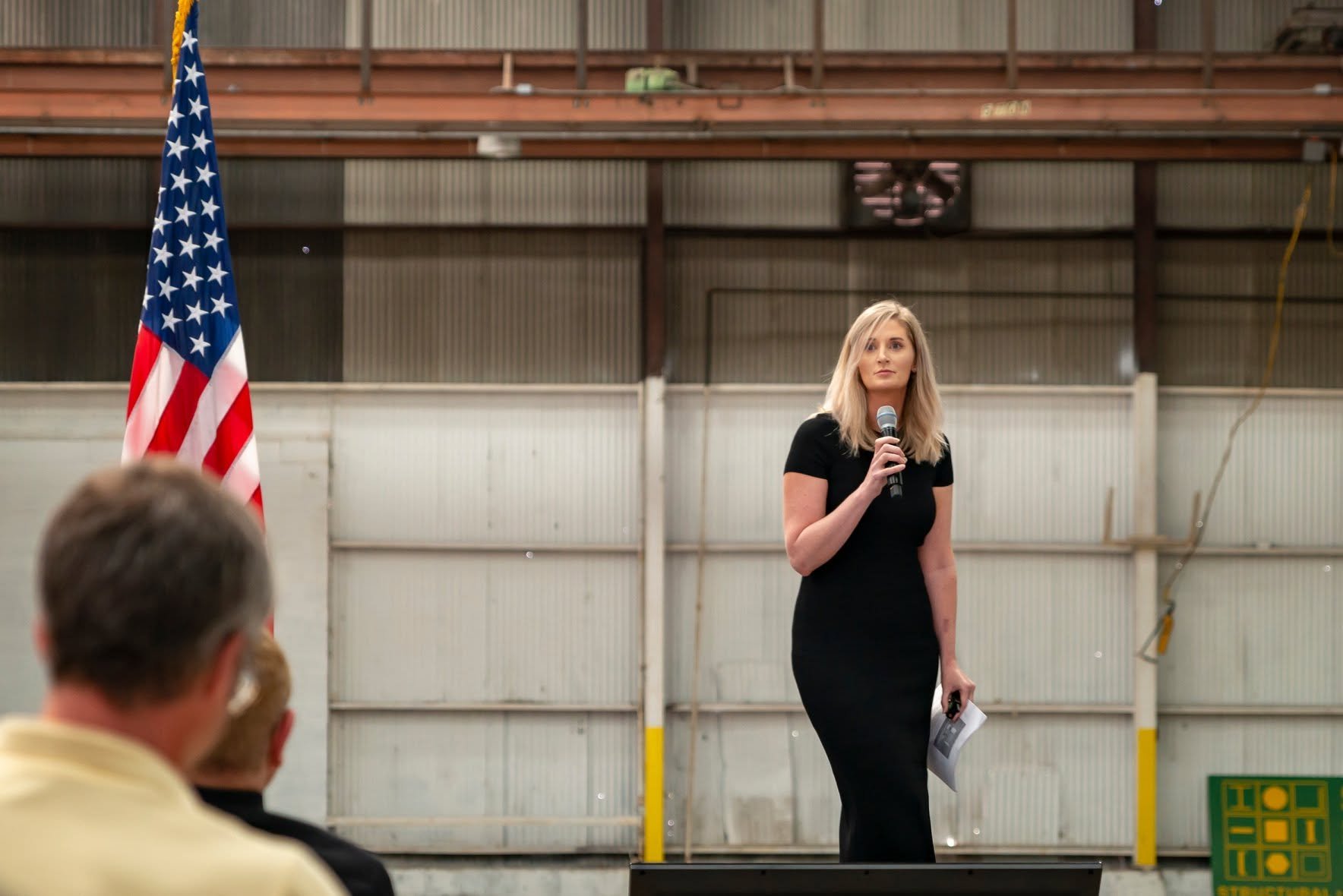
With a focus on downtown neighborhoods, energy efficiency, and sustainability, Jenifer Acosta revitalizes communities through targeted community investment. An affordable housing advocate turned real estate developer, Jenifer will shed light on her approach to building community trust, collaborating regionally, and resurrecting buildings on the precipice of demolition.
Developer | Bay City, Michigan
With a focus on downtown neighborhoods, energy efficiency, and sustainability, Jenifer Acosta revitalizes communities through targeted community investment. An affordable housing advocate turned real estate developer, Jenifer will shed light on her approach to building community trust, collaborating regionally, and resurrecting buildings on the precipice of demolition.
“The advice I would give to anyone working to break into real estate development would be to pick a specific neighborhood and serve it. Being dedicated to a community will foster greater cumulative impact.”
Welcome to Build Maine 2018 & Exciting Projects
Introducing Build Maine 2018! Held annually in June, 2018 marks Build Maine's 5th year in downtown Lewiston, Maine. Learn more about the conference and event organizers. Learn more about two exciting projects:
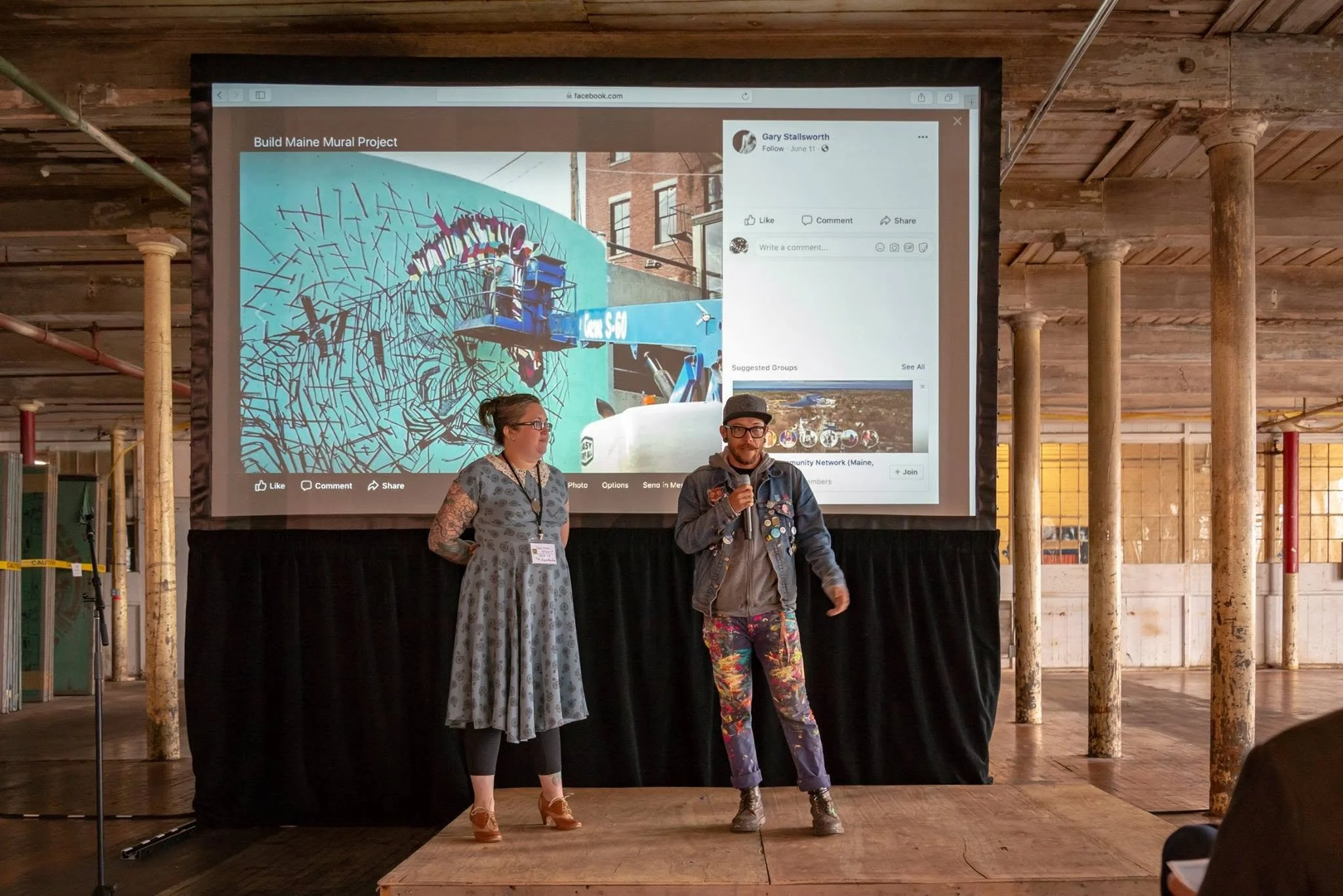
Arlin Graff, a Brazilian artist now based in Detroit, speaks to his creation, design and purpose of the large-scale mural on the City-owned Centreville Parking Garage in downtown Lewiston, Maine. Every Build Maine sponsor, exhibitor, and attendee from the past five years has helped to fund this mural by international artist, Arlin Graff. With deep gratitude, Build Maine thanks the community of Lewiston for supporting Arlin and the mural effort through donations of food, coffee, and kindness. A special thanks to the local businesses who made important contributions to this effort including Easy RentAll, The Hive and the Hampton Inn.The mural was gifted to the City of Lewiston by Build Maine, with a generous contribution from Arlin Graff.
Ben Willis speaks about the Side Hustle House, designed by Union Studio Architecture based in Providence, RI. The Side Hustle House was designed as a potential solution to affordable housing, using Cape Cod as a case study.
Lewiston Mural Project by Arlin Graff | The Side Hustle House by Union Studio Architecture
Introducing Build Maine 2018! Held annually in June, 2018 marks Build Maine's 5th year in downtown Lewiston, Maine. Learn more about the conference and event organizers. Learn more about two exciting projects:
Arlin Graff, a Brazilian artist now based in Detroit, speaks to his creation, design and purpose of the large-scale mural on the City-owned Centreville Parking Garage in downtown Lewiston, Maine. Every Build Maine sponsor, exhibitor, and attendee from the past five years has helped to fund this mural by international artist, Arlin Graff. With deep gratitude, Build Maine thanks the community of Lewiston for supporting Arlin and the mural effort through donations of food, coffee, and kindness. A special thanks to the local businesses who made important contributions to this effort including Easy RentAll, The Hive and the Hampton Inn.The mural was gifted to the City of Lewiston by Build Maine, with a generous contribution from Arlin Graff.
Ben Willis speaks about the Side Hustle House, designed by Union Studio Architecture based in Providence, RI. The Side Hustle House was designed as a potential solution to affordable housing, using Cape Cod as a case study.