
Wes Craiglow
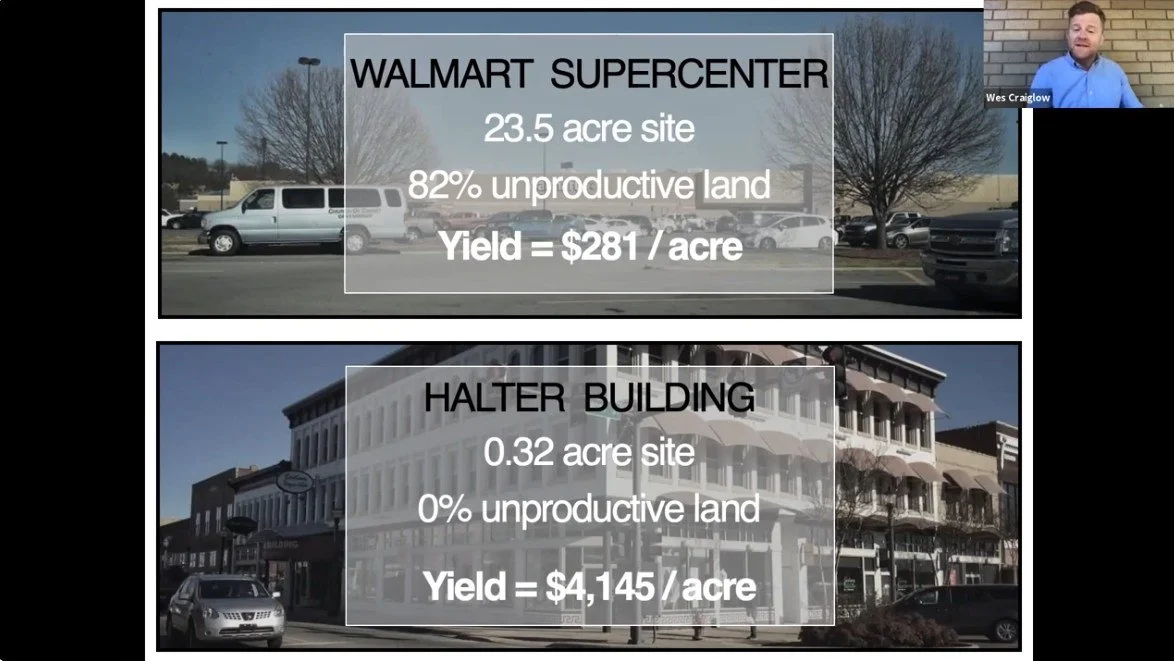
Even though Maine self-identifies as a resourceful and fiscally conservative state, the practice of spreading outward in an inefficient pattern of development has become common practice, despite the financial and social costs. Often, investments in new infrastructure are approved without a clear understanding of the long-term replacement and maintenance liabilities. At the same time, we continue to incentivize development that doesn’t cover the cost of the infrastructure. Wes Craiglow will share insight on how communities can use the full power of the municipality to raise revenue and keep taxes lower through careful land use planning and investment. He will explore “crop yield” as a framework to make decisions that better support local environmental, financial, economic, social, and quality of life goals.
Northwest Arkansas Coordinator | Urban Land Institute
Even though Maine self-identifies as a resourceful and fiscally conservative state, the practice of spreading outward in an inefficient pattern of development has become common practice, despite the financial and social costs. Often, investments in new infrastructure are approved without a clear understanding of the long-term replacement and maintenance liabilities. At the same time, we continue to incentivize development that doesn’t cover the cost of the infrastructure. Wes Craiglow will share insight on how communities can use the full power of the municipality to raise revenue and keep taxes lower through careful land use planning and investment. He will explore “crop yield” as a framework to make decisions that better support local environmental, financial, economic, social, and quality of life goals.
James and Deborah Fallows
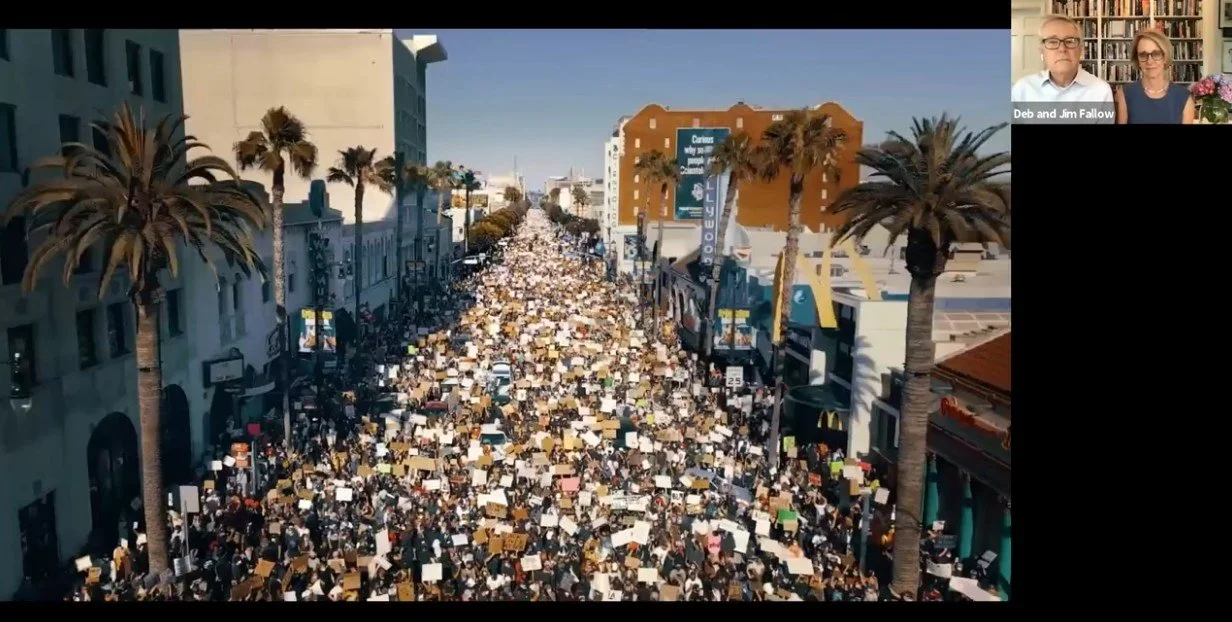
America is changing and moving once again toward an era of renewed innovation, compromise, and optimism, using practical solutions to solve the problems of this age. But what makes some communities more successful than others? Jim and Deb Fallows traveled the country to find out exactly that. On the ground, they saw a pattern emerge of American reinvention in the face of economic shocks, political crises, or other serious hardships. Hopping between cities and towns all over the United States by way of small airplane, these two keen observers will share stories and lessons from communities that have galvanized local energy and enthusiasm to make their places thrive.
Our Towns Foundation | Washington, D.c.
America is changing and moving once again toward an era of renewed innovation, compromise, and optimism, using practical solutions to solve the problems of this age. But what makes some communities more successful than others? Jim and Deb Fallows traveled the country to find out exactly that. On the ground, they saw a pattern emerge of American reinvention in the face of economic shocks, political crises, or other serious hardships. Hopping between cities and towns all over the United States by way of small airplane, these two keen observers will share stories and lessons from communities that have galvanized local energy and enthusiasm to make their places thrive.
Dan Parolek
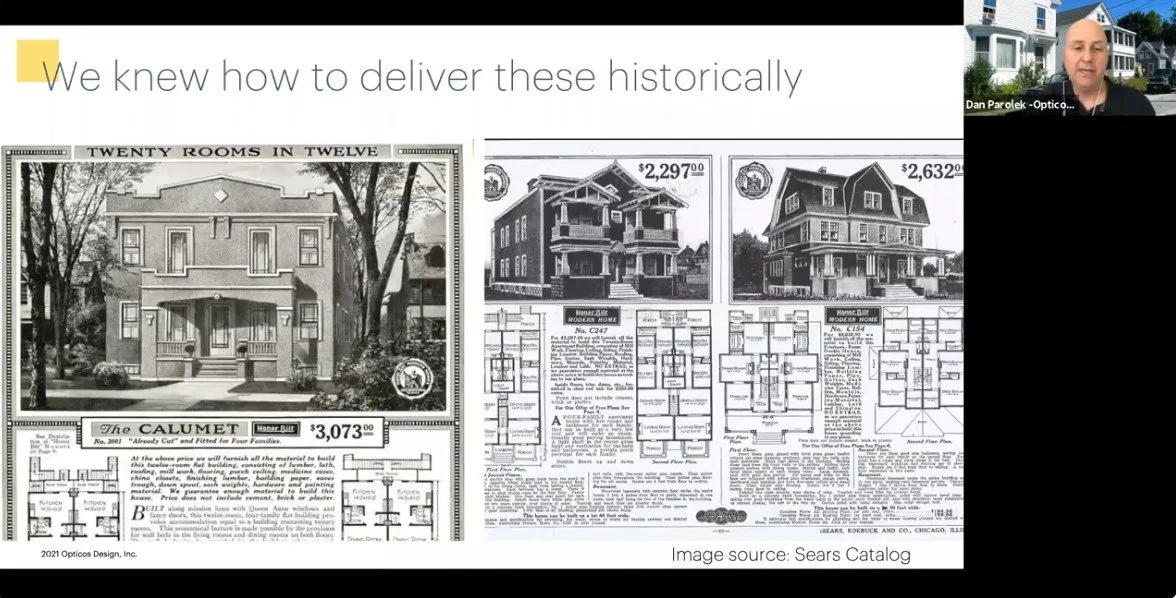
Maine is feeling the housing crunch with less than 30 days of housing inventory on the market, driving up prices to unsustainable levels. In order to protect the parts of Maine we all love most — our open fields, forests, farms, long views, and wild areas — we are going to need to quickly make it easier to develop and redevelop in our village, town, and city centers. Dan Parolek, planner, developer, architect, and author of Missing Middle Housing holds the key to overcoming many of the challenges that have prevented housing development in the hearts of our communities. The answer is in the smaller multi-family building types that form the fabric of our communities and that continue to be a key part of our affordable housing stock in Maine. More information can be found at www.opticosdesign.com and www.missingmiddlehousing.com.
Opticos Design
Maine is feeling the housing crunch with less than 30 days of housing inventory on the market, driving up prices to unsustainable levels. In order to protect the parts of Maine we all love most — our open fields, forests, farms, long views, and wild areas — we are going to need to quickly make it easier to develop and redevelop in our village, town, and city centers. Dan Parolek, planner, developer, architect, and author of Missing Middle Housing holds the key to overcoming many of the challenges that have prevented housing development in the hearts of our communities. The answer is in the smaller multi-family building types that form the fabric of our communities and that continue to be a key part of our affordable housing stock in Maine. More information can be found at www.opticosdesign.com and www.missingmiddlehousing.com.
Charles Marohn
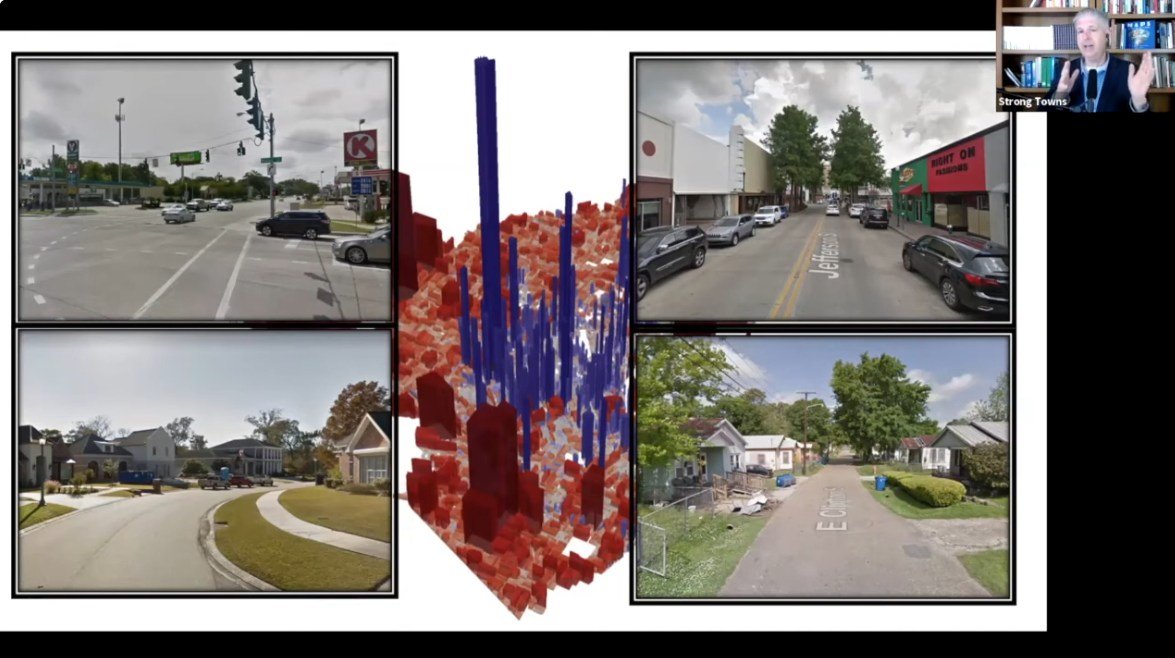
Municipalities across Maine are dealing with tightening budgets and a growing list of unfunded infrastructure obligations, including routine maintenance and replacement of roads and utilities, creating more strain on local governments and local services. At the same time, more people are moving back to small towns and city service centers, leading to an increase in pressure on roads and rising vehicle-related fatalities. Join Chuck Marohn, national thought-leader and author of “Strong Towns, A Bottom-Up Revolution to Rebuild American Prosperity” to understand why we seem to have lost the American edge on prosperity and what we can do to get it back.
President, Strong Towns | Brainerd, Minnesota
Municipalities across Maine are dealing with tightening budgets and a growing list of unfunded infrastructure obligations, including routine maintenance and replacement of roads and utilities, creating more strain on local governments and local services. At the same time, more people are moving back to small towns and city service centers, leading to an increase in pressure on roads and rising vehicle-related fatalities. Join Chuck Marohn, national thought-leader and author of “Strong Towns, A Bottom-Up Revolution to Rebuild American Prosperity” to understand why we seem to have lost the American edge on prosperity and what we can do to get it back.
Kaid Benfield
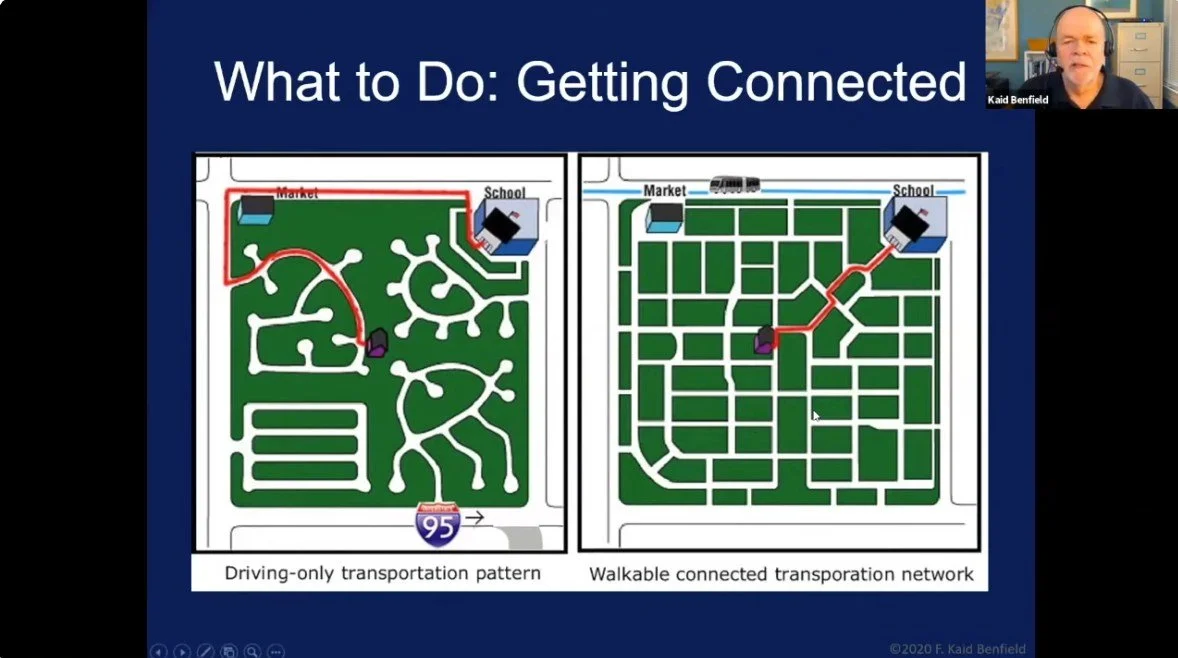
As our country continues to see changes in our environment from the effects of climate change, Maine is working to not only reduce carbon emissions, but also address the national blind spot in the conversation - specifically the environmental implications of land use patterns. The Coronavirus pandemic has also brought into focus an urgent need to create and sustain communities that support healing and healthy lifestyles. The good news is there are land development strategies that support both human and environmental health. Kaid Benfield will articulate some of these key strategies – and the research behind them – that can help us move toward a more sustainable future.
PlaceMakers | Washington, DC
As our country continues to see changes in our environment from the effects of climate change, Maine is working to not only reduce carbon emissions, but also address the national blind spot in the conversation - specifically the environmental implications of land use patterns. The Coronavirus pandemic has also brought into focus an urgent need to create and sustain communities that support healing and healthy lifestyles. The good news is there are land development strategies that support both human and environmental health. Kaid Benfield will articulate some of these key strategies – and the research behind them – that can help us move toward a more sustainable future.
Chris Hawley
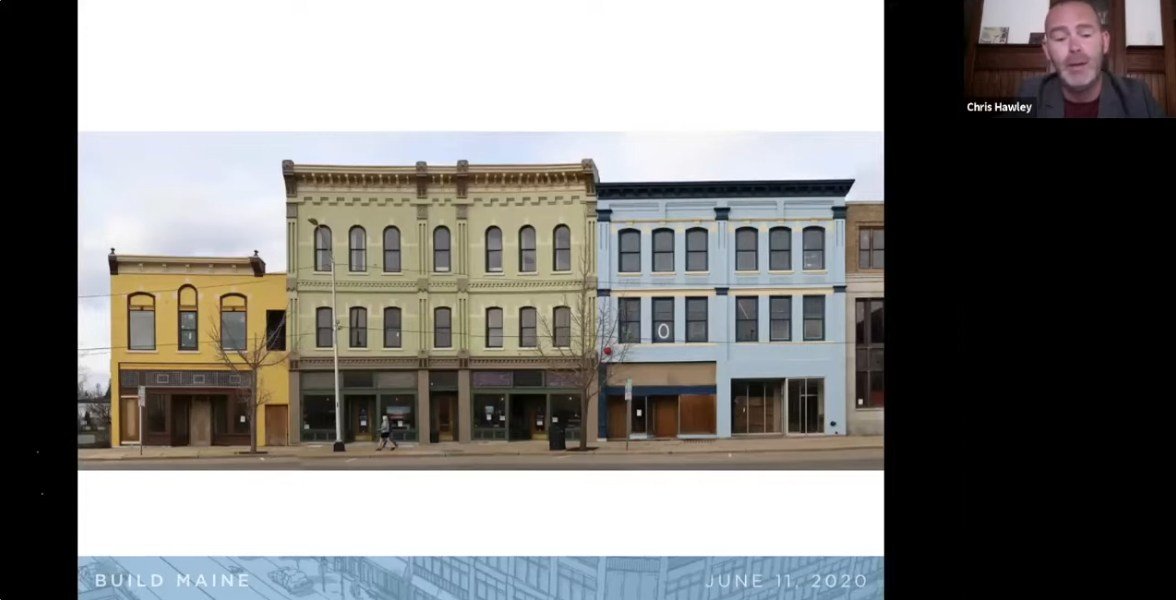
Local governments can struggle to change outdated zoning codes, particularly in today’s heightened political environment. Find out why simplifying and improving your community’s zoning code can make a big difference to local quality of life, as well as the financial and economic strength of your community. Chris will also share Buffalo’s success story with eliminating parking minimums from local zoning, what it’s meant to his city, and why you should consider a similar move in your own community.
City of Buffalo, Planner | Buffalo, New York
Local governments can struggle to change outdated zoning codes, particularly in today’s heightened political environment. Find out why simplifying and improving your community’s zoning code can make a big difference to local quality of life, as well as the financial and economic strength of your community. Chris will also share Buffalo’s success story with eliminating parking minimums from local zoning, what it’s meant to his city, and why you should consider a similar move in your own community.
Bernice Radle
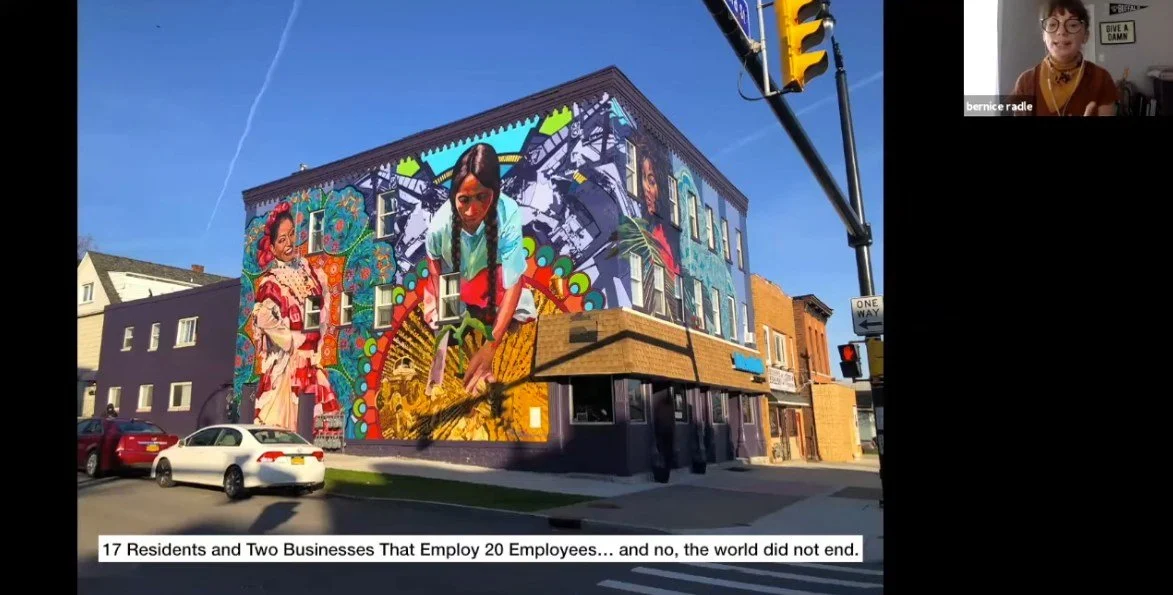
Bernice will share her experience working under Buffalo’s new form-based code, describing the changes that have made small-scale projects more feasible and easier to execute. Bernice will also highlight how small-scale infill development can revitalize areas, provide a way for more people to break into the real estate development field, and help build the range of housing types that are so desperately needed.
Buffalove Development & Little Wheel Rest. | Buffalo, New York
Bernice will share her experience working under Buffalo’s new form-based code, describing the changes that have made small-scale projects more feasible and easier to execute. Bernice will also highlight how small-scale infill development can revitalize areas, provide a way for more people to break into the real estate development field, and help build the range of housing types that are so desperately needed.
Sharon Woods
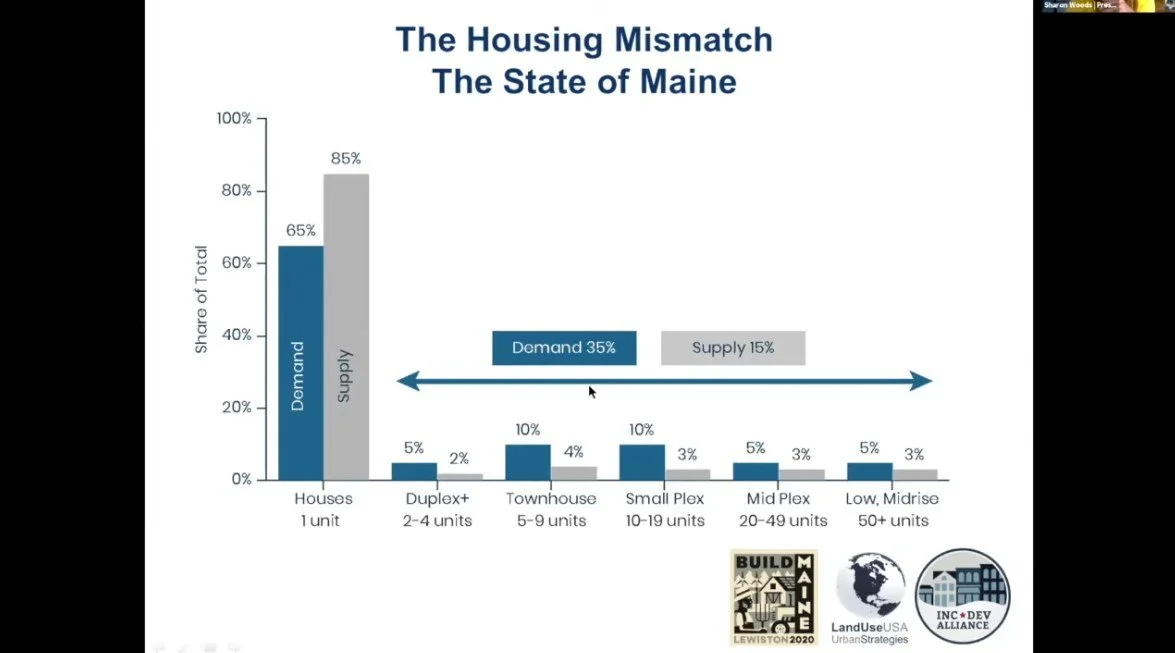
Communities and developers routinely conduct market studies to better understand local gaps and needs for urban housing. However, those studies are usually based on what has already been built, so they risk reinforcing redundancies, building types, and practices. The innovative Target Market Analysis approach shifts the focus onto the lifestyles of migrating households and their preferences for missing housing formats. This approach is particularly relevant while we contemplate the possible impacts that the current economic and health crisis could have on cities and urban places. Join us in hearing what Sharon has found in her analysis of two Maine communities; and her forecasts of the impacts that COVID-19 will have on the lifestyle preferences of migrating Y and Z Generations.
Owner, LandUseUSA | Urban Strategies | Lansing, Michigan
Communities and developers routinely conduct market studies to better understand local gaps and needs for urban housing. However, those studies are usually based on what has already been built, so they risk reinforcing redundancies, building types, and practices. The innovative Target Market Analysis approach shifts the focus onto the lifestyles of migrating households and their preferences for missing housing formats. This approach is particularly relevant while we contemplate the possible impacts that the current economic and health crisis could have on cities and urban places. Join us in hearing what Sharon has found in her analysis of two Maine communities; and her forecasts of the impacts that COVID-19 will have on the lifestyle preferences of migrating Y and Z Generations.