
2019 Speakers
Build Maine Presentations
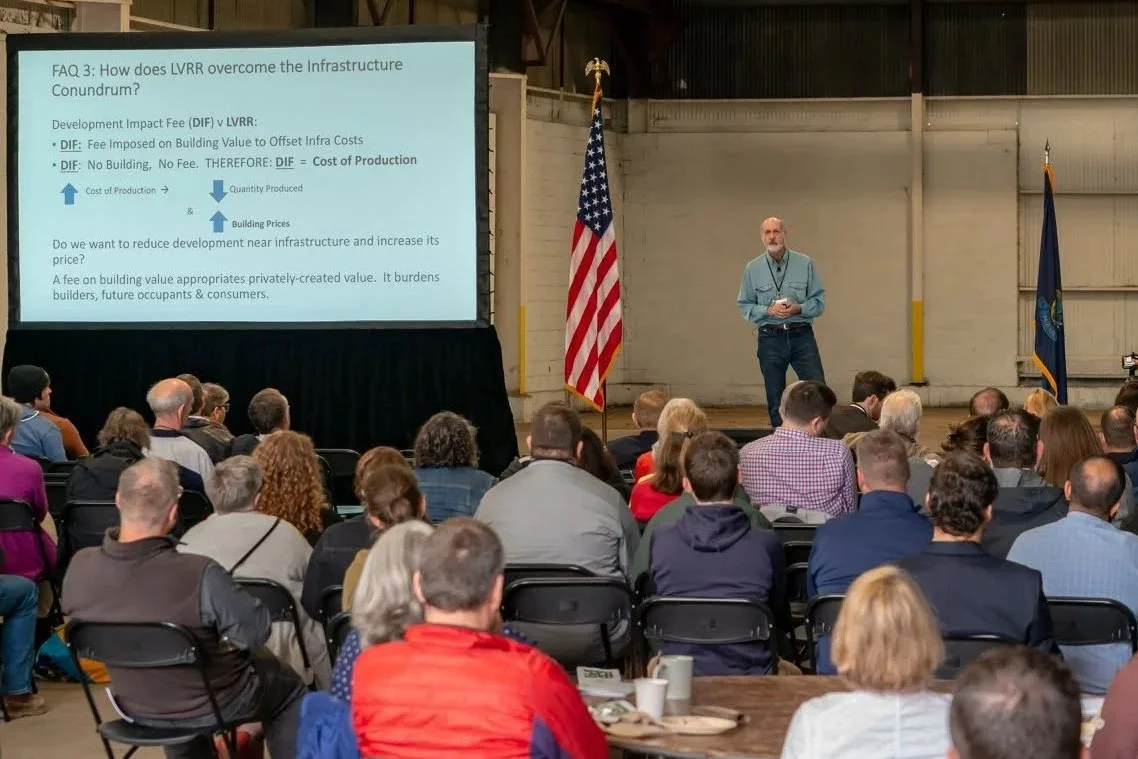
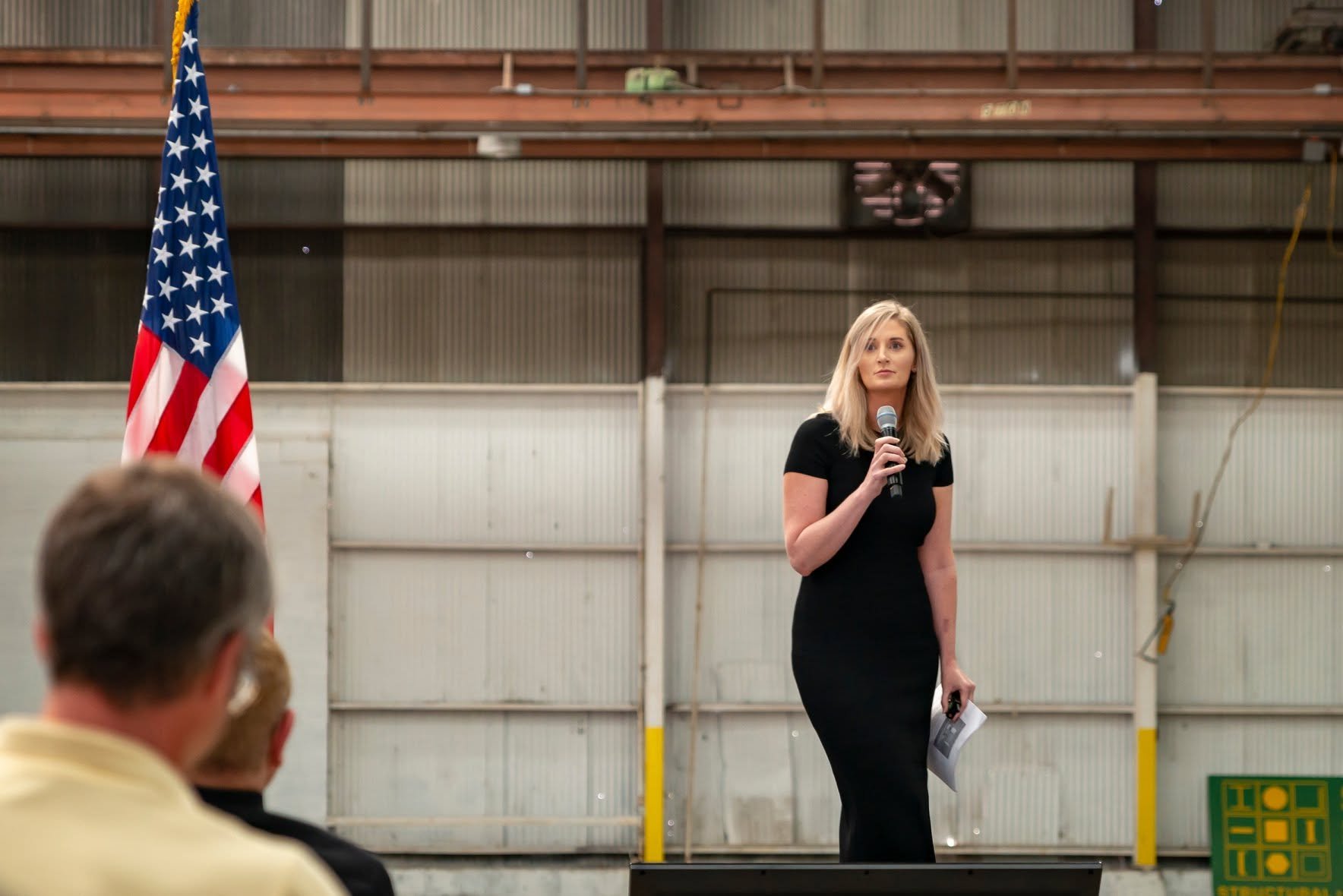
Typically, communities create streets and utilities to facilitate development. Yet rising land prices near new or improved infrastructure often chases development to cheaper, but more remote sites. The resulting sprawl is bad for the environment and bad for municipal budgets due to the necessary duplication of expensive infrastructure. While towns and cities create enormous value through public services, they often struggle for funds. Rick Rybeck will share how some communities have overcome these ongoing fiscal challenges while also providing more affordable housing and commercial space.
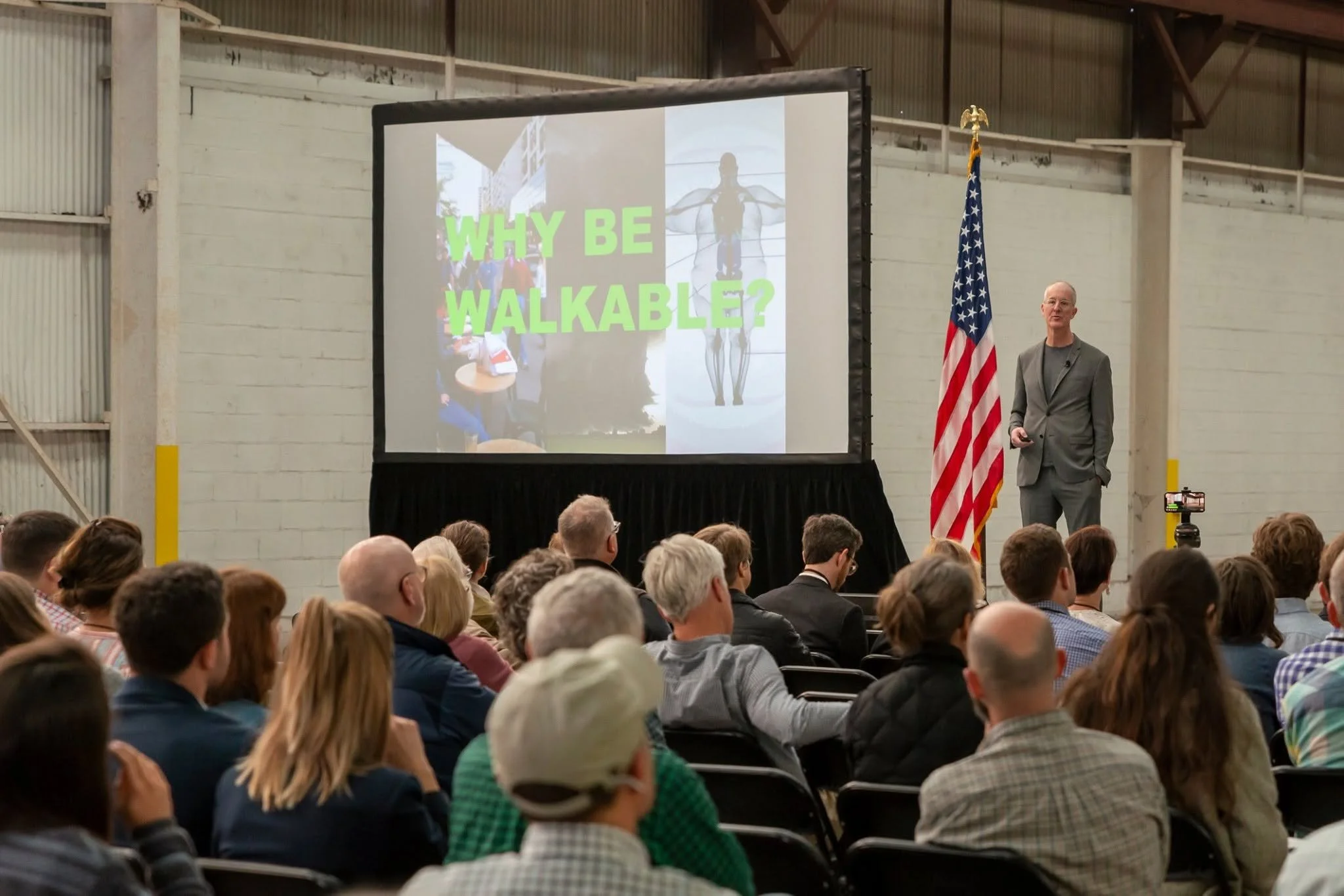
Learn simple solutions to reclaim streets and make our downtowns and neighborhoods safe again for a broad range of human and economic activity. Jeff Speck, author of Suburban Nation and Walkable Cities, will share lessons from his latest book, Walkable City Rules: 101 Steps to Making Better Places, a tool-kit for urban activists. He will describe the primacy of walkability in building more vital, resilient, and appealing cities.
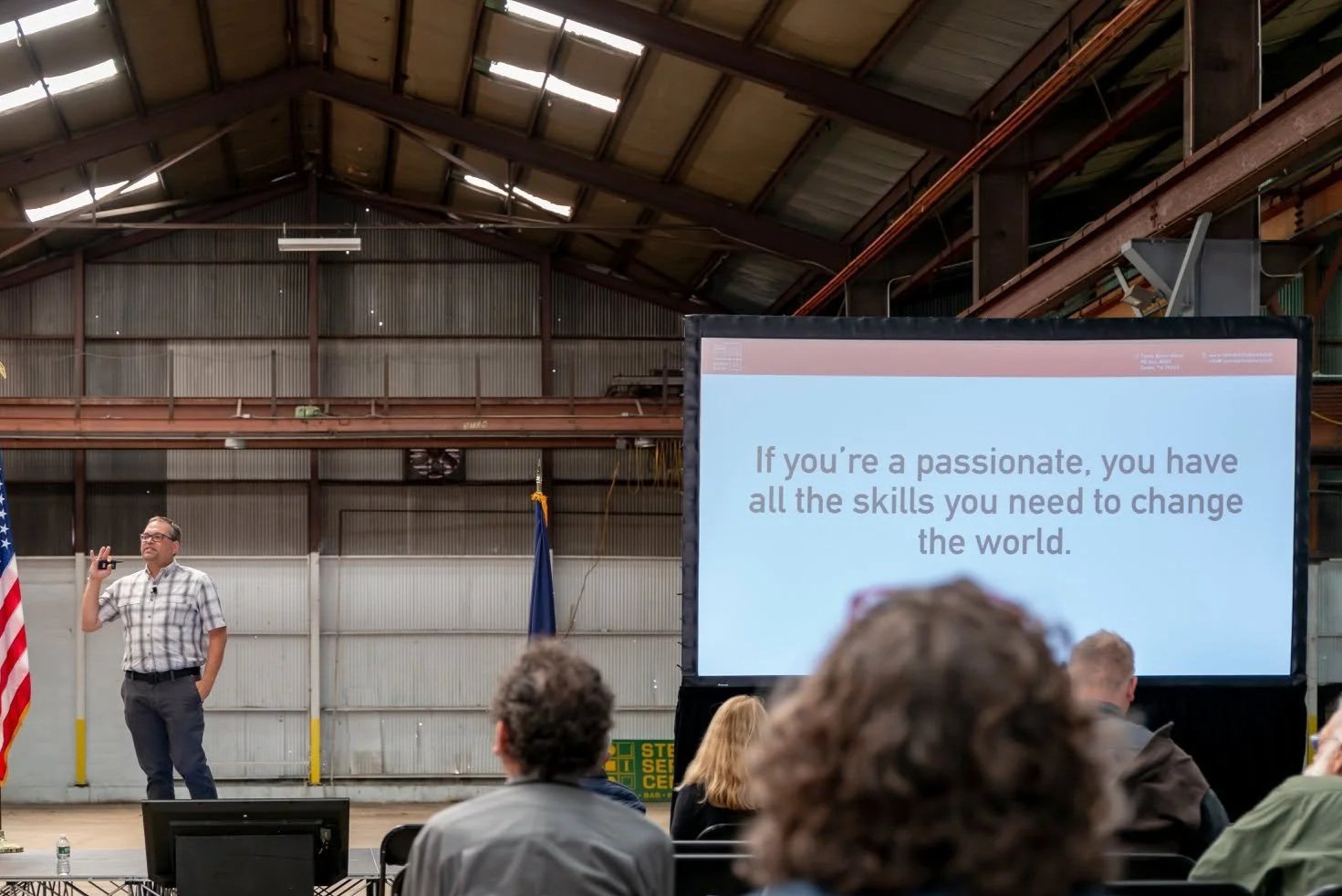
Team Better Block temporarily re-engineers auto-dominated urban areas into vibrant centers. Their iterative approach is both scalable and hyper-local. Having been used in over 200 cities, The Better Block approach provides elected officials, leaders, and citizens with a greater understanding of the urgent need for more permanent change. Andrew, the principal of Team Better Block, will share lessons learned from an all-hands-on-deck approach to urban design.
With a focus on downtown neighborhoods, energy efficiency, and sustainability, Jenifer Acosta revitalizes communities through targeted community investment. An affordable housing advocate turned real estate developer, Jenifer will shed light on her approach to building community trust, collaborating regionally, and resurrecting buildings on the precipice of demolition.
What does truly sustainable design look like at the building and neighborhood scale? Kathryn will share the findings from her recent book, Building Reuse: Sustainability, Preservation, and the Value of Design. Learn about how reusing and re-imagining existing buildings can reduce carbon emissions, spur economic growth, and improve neighborhood character.