
Jake Bittle
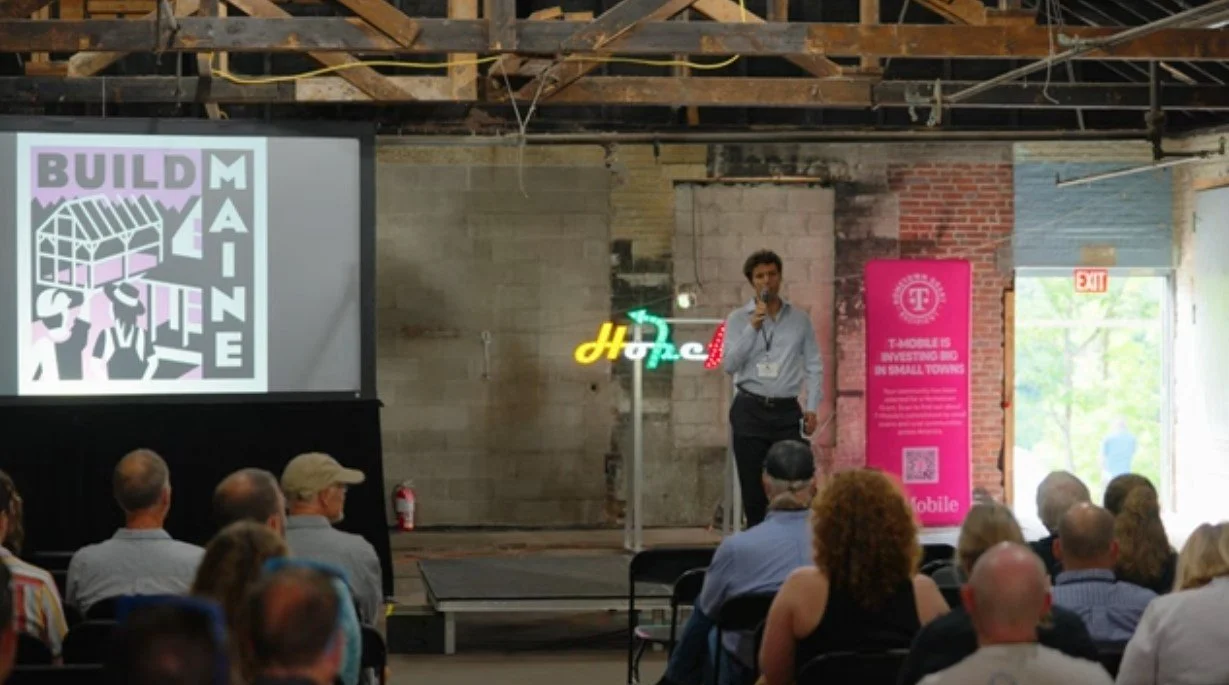
Over the next fifty years, millions of Americans will be caught up in this churn of displacement, forced inland and northward in what will be the largest migration in our country’s history. In other words, they’ll be coming to Maine. Jake Bittle is a staff writer at Grist, where he covers climate change. His work has been published in The New York Times, The Guardian, Harper’s New York Magazine, The New Republic, and numerous other publications. He is the author of The Great Displacement: Climate Change and the Next American Migration. Join us to learn more about the extent to which climate migration will impact Maine, and why planning will become an increasingly necessary activity to protect what we love most about our state.
Staff Writer | Grist | Brooklyn, New York
Over the next fifty years, millions of Americans will be caught up in this churn of displacement, forced inland and northward in what will be the largest migration in our country’s history. In other words, they’ll be coming to Maine. Jake Bittle is a staff writer at Grist, where he covers climate change. His work has been published in The New York Times, The Guardian, Harper’s New York Magazine, The New Republic, and numerous other publications. He is the author of The Great Displacement: Climate Change and the Next American Migration. Join us to learn more about the extent to which climate migration will impact Maine, and why planning will become an increasingly necessary activity to protect what we love most about our state.
Tom Low
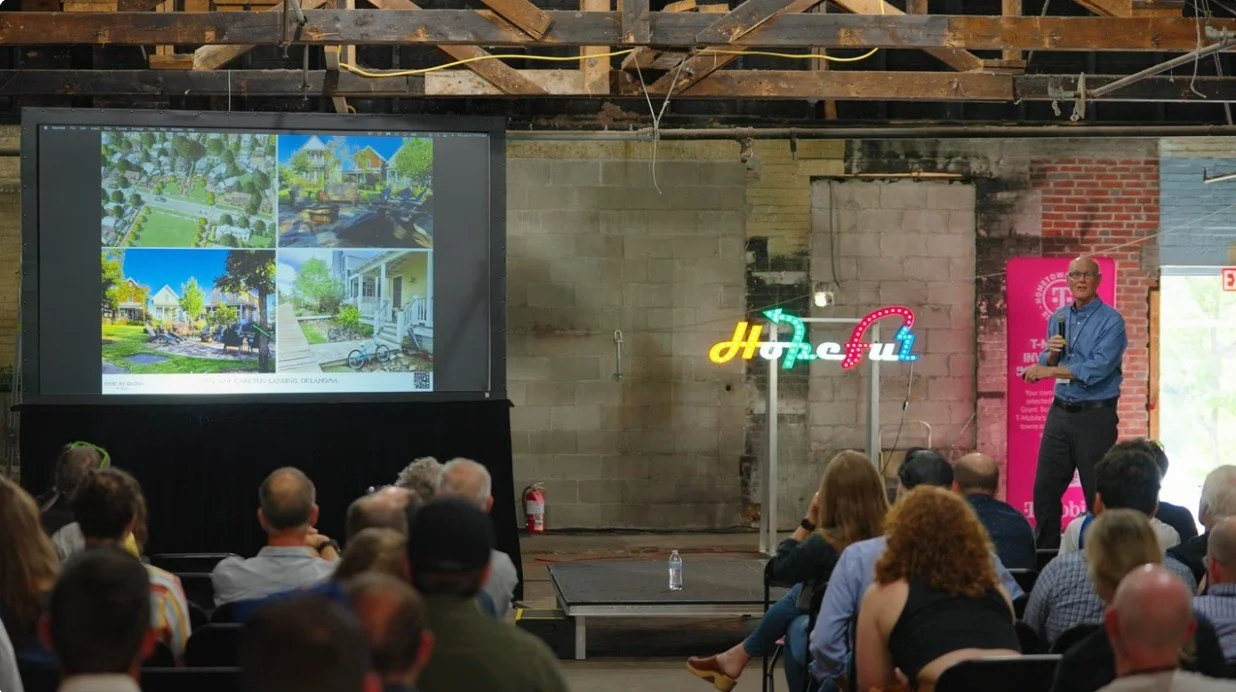
Maine has a finite amount of time to determine whether we will learn from America’s costly suburban mistakes, or continue to erode our treasured way of life. The choice between farms vs. highways, vast uninterrupted timber forests vs. low density residential sprawl, NIMBYism in our downtowns vs. embracing development where we need it most, open roads vs. traffic choked arterials - these are all choices we will make, either through apathy and non-action or through intentional work to change our land use development system. Tom will share inspiration and the steps we must take to develop in a way that Mainers will in fact love.
Director | Civic by Design | Charlotte, North Carolina
Maine has a finite amount of time to determine whether we will learn from America’s costly suburban mistakes, or continue to erode our treasured way of life. The choice between farms vs. highways, vast uninterrupted timber forests vs. low density residential sprawl, NIMBYism in our downtowns vs. embracing development where we need it most, open roads vs. traffic choked arterials - these are all choices we will make, either through apathy and non-action or through intentional work to change our land use development system. Tom will share inspiration and the steps we must take to develop in a way that Mainers will in fact love.
Katharine Burgess
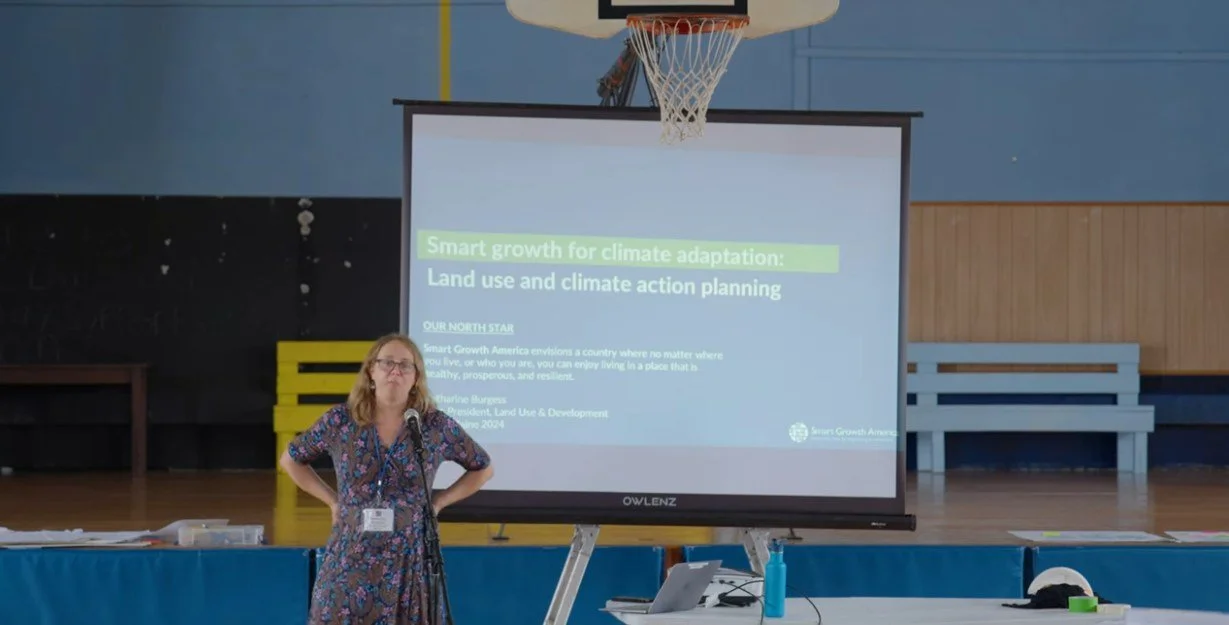
Communities in Maine and across the U.S. are facing both a housing access crisis and a climate crisis. New housing cannot be built quickly enough, and existing supply is under threat from more frequent and intense climate events. How can Maine communities prioritize building in locations less susceptible to harm and how can historic communities, many of which are based around charming but vulnerable settings such as waterfronts, realistically adapt? Hear from Katharine on strategies to integrate resilience and pro-housing approaches, as well as SmartGrowth America’s efforts to break down silos between climate and housing policy at the Federal level.
Vice President, Land Use & Development | SmartGrowth America | Washington DC
Communities in Maine and across the U.S. are facing both a housing access crisis and a climate crisis. New housing cannot be built quickly enough, and existing supply is under threat from more frequent and intense climate events. How can Maine communities prioritize building in locations less susceptible to harm and how can historic communities, many of which are based around charming but vulnerable settings such as waterfronts, realistically adapt? Hear from Katharine on strategies to integrate resilience and pro-housing approaches, as well as SmartGrowth America’s efforts to break down silos between climate and housing policy at the Federal level.
Matt Wagner
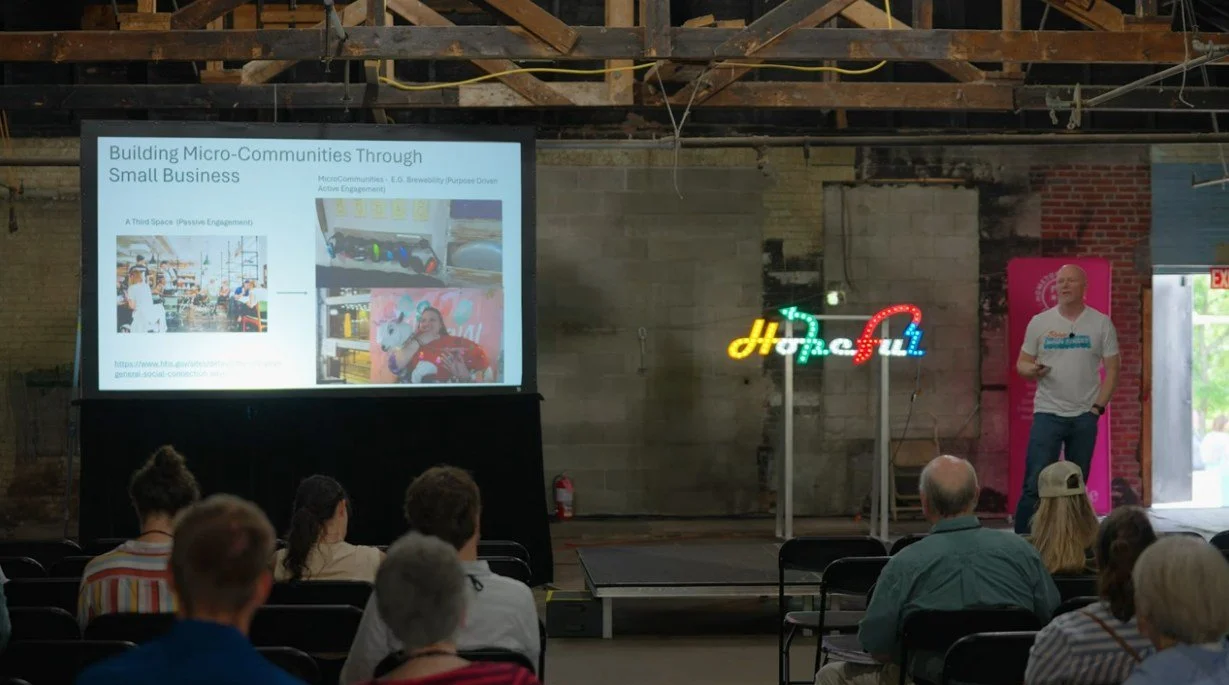
Local businesses are the heart and soul of Main Street, serving as hubs for social connection and economic growth. Learn about the innovative ways that Main Street businesses can overcome the adversity of the on-line economy, whether it’s starting a new enterprise or keeping a multi-generation business alive. This session will also explore how high growth businesses and changemakers can be empowered to start businesses, creating wealth for their families and improving outcomes for their communities. This session will highlight work being done in communities across the U.S. to refocus on quality of place and break down barriers to entrepreneurial opportunity in communities that have been left behind by the global economy.
Chief Program Officer | Main Street America | Washington DC
Local businesses are the heart and soul of Main Street, serving as hubs for social connection and economic growth. Learn about the innovative ways that Main Street businesses can overcome the adversity of the on-line economy, whether it’s starting a new enterprise or keeping a multi-generation business alive. This session will also explore how high growth businesses and changemakers can be empowered to start businesses, creating wealth for their families and improving outcomes for their communities. This session will highlight work being done in communities across the U.S. to refocus on quality of place and break down barriers to entrepreneurial opportunity in communities that have been left behind by the global economy.
Ashleigh Walton
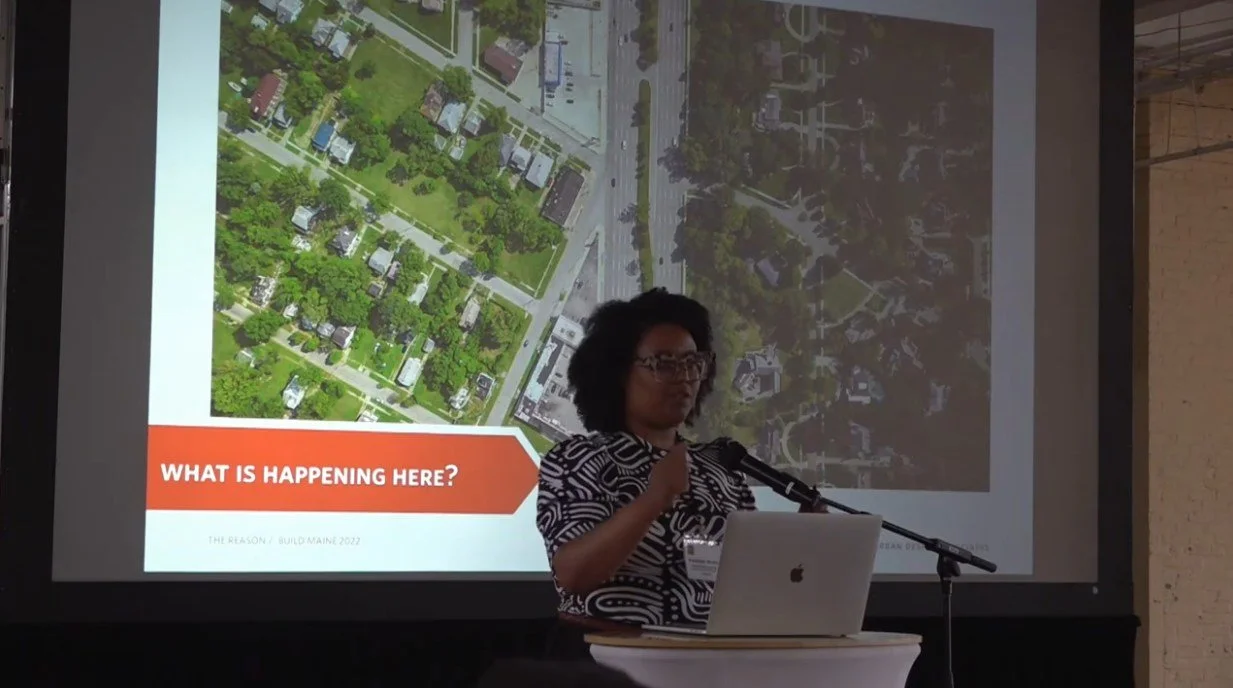
Ashleigh will talk about streets, buildings, and the value that is created when we look holistically at our communities and neighborhoods. How do we create places with purpose, that aren’t only safe, accessible, and high value, but also beautiful? What are the principles that differentiate neighborhoods from projects? Can we create policies, practices, and places with beauty in mind?
Architect and Project Manager | Urban Design Associates | Pittsburgh, Pennsylvania
Ashleigh will talk about streets, buildings, and the value that is created when we look holistically at our communities and neighborhoods. How do we create places with purpose, that aren’t only safe, accessible, and high value, but also beautiful? What are the principles that differentiate neighborhoods from projects? Can we create policies, practices, and places with beauty in mind?
John “The Bad” Anderson
John will set the stage for Build Maine’s first ever hands-on work session! Conference participants will work over base maps of catalytic sites across Maine and re-imagine these critical spaces. John will set the stage for this creative work by describing how to get the right details right and why it matters. He will also provide the instructions for the hands-on activity. This will be a great opportunity for people to get inspired and think about project opportunities that might exist in their own communities.
Partner | Tri-Cities Building & Land LLC | East Point, Georgia
John will set the stage for Build Maine’s first ever hands-on work session! Conference participants will work over base maps of catalytic sites across Maine and re-imagine these critical spaces. John will set the stage for this creative work by describing how to get the right details right and why it matters. He will also provide the instructions for the hands-on activity. This will be a great opportunity for people to get inspired and think about project opportunities that might exist in their own communities.
Jeff Siegler
Jeff Siegler is the founder of Revitalize, or Die, a community revitalization firm dedicated to fighting apathy by fostering civic pride. What Jeff lacks in patience and eloquence, he makes up for in passion and honesty. He believes revitalization has the power to transform people’s lives, foster a stronger sense of community, enhance quality of life, and provide people with more enriching experiences. Don’t miss this chance to get re-energized around the work that you do to help revitalize our communities, which Jeff says is the most important work we can do.
Revitalize, or Die | Pittsburgh, Pennsylvania
Jeff Siegler is the founder of Revitalize, or Die, a community revitalization firm dedicated to fighting apathy by fostering civic pride. What Jeff lacks in patience and eloquence, he makes up for in passion and honesty. He believes revitalization has the power to transform people’s lives, foster a stronger sense of community, enhance quality of life, and provide people with more enriching experiences. Don’t miss this chance to get re-energized around the work that you do to help revitalize our communities, which Jeff says is the most important work we can do.
Wes Craiglow
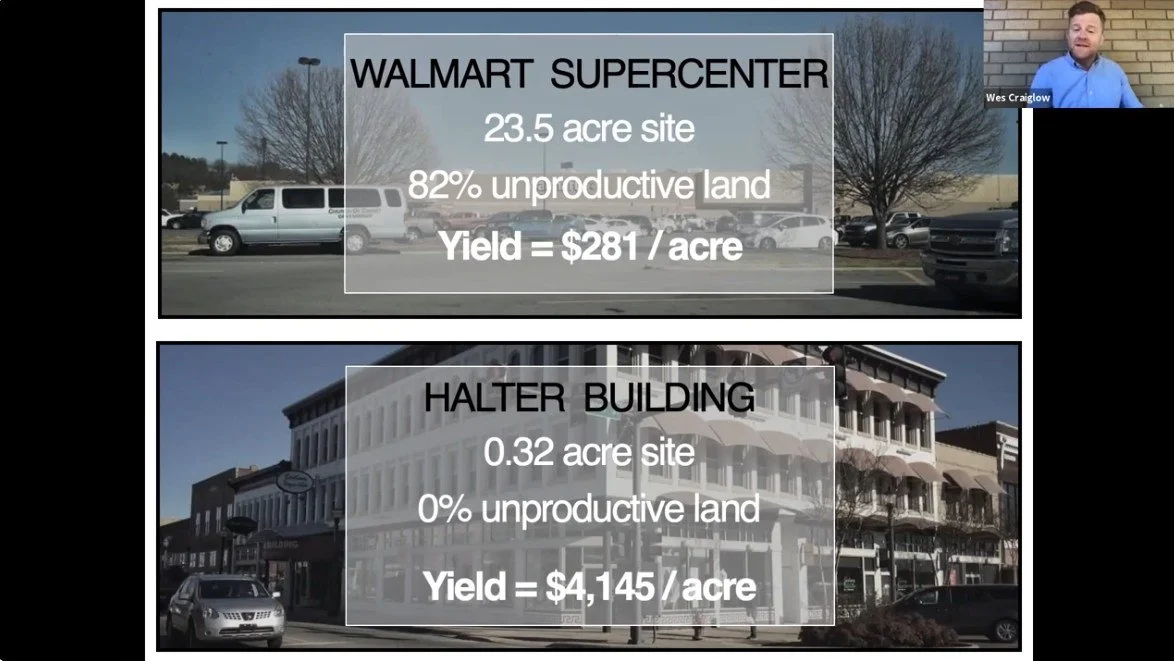
Even though Maine self-identifies as a resourceful and fiscally conservative state, the practice of spreading outward in an inefficient pattern of development has become common practice, despite the financial and social costs. Often, investments in new infrastructure are approved without a clear understanding of the long-term replacement and maintenance liabilities. At the same time, we continue to incentivize development that doesn’t cover the cost of the infrastructure. Wes Craiglow will share insight on how communities can use the full power of the municipality to raise revenue and keep taxes lower through careful land use planning and investment. He will explore “crop yield” as a framework to make decisions that better support local environmental, financial, economic, social, and quality of life goals.
Northwest Arkansas Coordinator | Urban Land Institute
Even though Maine self-identifies as a resourceful and fiscally conservative state, the practice of spreading outward in an inefficient pattern of development has become common practice, despite the financial and social costs. Often, investments in new infrastructure are approved without a clear understanding of the long-term replacement and maintenance liabilities. At the same time, we continue to incentivize development that doesn’t cover the cost of the infrastructure. Wes Craiglow will share insight on how communities can use the full power of the municipality to raise revenue and keep taxes lower through careful land use planning and investment. He will explore “crop yield” as a framework to make decisions that better support local environmental, financial, economic, social, and quality of life goals.